
.jpeg)
What are the side effects of Teritusumab? What are the common adverse reactions that may occur when using it?
Teritusumab (Teclistamab) is a targeted immunotherapy drug that belongs to the immune checkpoint inhibitor category and is mainly used to treat hematological malignancies such as multiple myeloma. As a bispecific antibody, teritusumab promotes the immune system's attack on cancer cells by simultaneously binding to B cell maturation antigen (BCMA) and TCD3 receptors on the surface of T cells. Although its efficacy in treatment is obvious, it may also cause a series of side effects when used.
Common side effects of teritusumab include immune-mediated side effects. Because it activates the immune system, it may trigger immune-related adverse reactions. The most common include fever, chills, and fatigue. These symptoms usually occur in the first few days after starting treatment, especially when the first dose is given. Fever and chills are common manifestations of immune response activation. Patients may feel hot or cold, often accompanied by some degree of fatigue. Although these symptoms are uncomfortable, most patients can alleviate their symptoms with symptomatic treatment.
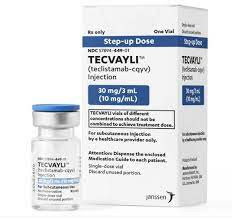
The use of teritusumab may also cause some serious side effects, especially cytokine release syndrome (CRS). CRS is a reaction caused by immune cells rapidly releasing large amounts of cytokines. Symptoms include high fever, low blood pressure, shortness of breath and systemic inflammatory response. In some cases, CRS may develop into a life-threatening condition, requiring prompt monitoring and appropriate treatment. In addition, teritolumab may also cause adverse neurological reactions, such as headache, confusion, slurred speech, or movement disorders, which may indicate possible neurotoxic reactions.
Because teritusumab is an immunomodulatory drug, overactivation of the immune system may lead to some immune-related adverse reactions. For example, skin reactions such as rash, itching, or gastrointestinal symptoms such as nausea, vomiting, or diarrhea may occur. In severe cases, it may trigger inflammatory reactions in internal organs such as immune hepatitis and pneumonia. Therefore, patients need to undergo regular blood tests and related organ function monitoring during treatment to ensure that immune-related adverse reactions are detected and dealt with in a timely manner.
Reference materials:https://www.tecvayli.com/
[ 免责声明 ] 本页面内容来自公开渠道(如FDA官网、Drugs官网、原研药厂官网等),仅供持有医疗专业资质的人员用于医学药学研究参考,不构成任何治疗建议或药品推荐。所涉药品可能未在中国大陆获批上市,不适用于中国境内销售和使用。如需治疗,请咨询正规医疗机构。本站不提供药品销售或代购服务。


