
.jpeg)
Ruxolitinib Cream Instructions: Learn more about its use, dosage, contraindications and precautions
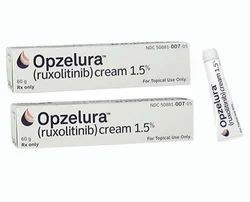
Ruxolitinib cream (Opzelura) is a topical drug mainly used to treat skin diseases such as atopic dermatitis (AD). It reduces the effects of cytokines by selectively inhibiting the activities of JAK (Januskinase) 1 and JAK3, thereby effectively alleviating inflammatory reactions and alleviating skin itching, redness and other symptoms. This article will introduce in detail the usage, dosage, contraindications and precautions of ruxolitinib cream to help patients use the drug correctly.
How to use and dosage
Ruxolitinib cream is usually used topically and is indicated for the treatment of atopic dermatitis (AD) and other skin conditions recommended by your doctor. When using it, patients need to make specific applications according to the doctor's prescription.
1.Usage: Ruxolitinib cream should be applied to the affected skin and used twice a day, once in the morning and once in the evening. Start by cleansing and drying the affected skin thoroughly, then applying a thin layer of cream evenly. When applying, avoid coming into contact with eyes, mouth, and other sensitive areas. Avoid covering the dressing after application unless otherwise directed by your doctor.
2.Dosage: For most patients, the recommended dosage is to apply an appropriate amount of cream to the affected skin twice daily. The amount used should be adjusted based on the skin area and your doctor's specific instructions. The dosage is usually the same for adults and children 12 years and older. If symptoms are severe, the doctor may adjust the frequency or dosage based on the patient's response.
3. Duration of treatment: Typically, ruxolitinib cream will take effect within a few weeks, relieving skin inflammation and itching. During treatment, the effectiveness of the treatment should be evaluated regularly. If symptoms do not improve significantly, patients should discuss with their doctor whether treatment needs to be adjusted.
Contraindications
Although ruxolitinib cream is a topical drug, it still has some contraindications, and patients need to pay special attention when using it.
1.Patients allergic to drug ingredients: If the patient has a history of allergies to ruxolitinib or other ingredients in the cream (such as base ingredients, moisturizers, etc.), this drug is prohibited. An allergy test should be conducted before use to confirm that there is no allergic reaction before use.
2.Open wounds: Ruxolitinib cream is not suitable for open wounds, deep burns or other serious skin injuries. Because the drug's absorption rate and local reactions may be enhanced, causing unnecessary side effects or skin irritation.
3.Eyes and periorbital skin: Avoid applying ruxolitinib cream to the eyes and periorbital skin, especially the mucous membrane area of u200bu200bthe eyes. Medications may cause eye irritation or discomfort, so avoid getting them into your eyes.
Things to note
When using ruxolitinib cream, patients should follow their doctor's instructions and pay attention to the following:
1.Skin reaction monitoring: Common side effects of ruxolitinib cream include local skin reactions, such as itching, redness, burning, or dryness. Although these reactions are usually mild, if a severe skin allergic reaction occurs, such as severe swelling or blistering, the drug should be discontinued and medical attention should be sought immediately.
2.Avoid application on large areas: This drug is mainly used for topical treatment, so avoid use on large areas of skin, especially the face, skin folds, or areas with eczema. When using, apply an appropriate amount according to the specific conditions of the affected area, and do not use excessively.
3.Long-term use monitoring: Long-term use of ruxolitinib cream may increase the risk of local skin infection, especially in patients with fragile immune systems. If symptoms of infection, such as purulent discharge or skin ulcers, occur during treatment, the drug should be discontinued immediately and contact a doctor for diagnosis and treatment.
4. Pregnancy and lactation: The safety of ruxolitinib cream during pregnancy and lactation has not been fully established, so caution is required when using it during these special periods. If this medication must be used during pregnancy, your doctor should evaluate the risks versus benefits and choose the lowest effective dose. Breastfeeding mothers should avoid drug contact with the breast to reduce potential effects on the baby.
5.Avoid concurrent use with other topical medications: When using ruxolitinib cream, avoid concurrent use with other topical medications (such as steroid ointments or antibiotic ointments) unless specifically directed by your doctor. This is because different medications may interact with each other, resulting in less effective treatment or increased side effects.
Ruxolitinib cream (Opzelura) is an effective topical drug for skin diseases such as atopic dermatitis. It reduces inflammation and itching by suppressing local immune responses. During use, patients should follow the doctor's advice, pay attention to the dosage and frequency of use, and do not apply the drug to open wounds and sensitive areas. Patients who are allergic to the components of the drug should avoid use and need to regularly check for skin reactions. In short, the correct use of ruxolitinib cream can help patients effectively control symptoms, but it must be done under the guidance of a doctor to ensure safety and efficacy.
Reference materials:https://www.opzelura.com/
[ 免责声明 ] 本页面内容来自公开渠道(如FDA官网、Drugs官网、原研药厂官网等),仅供持有医疗专业资质的人员用于医学药学研究参考,不构成任何治疗建议或药品推荐。所涉药品可能未在中国大陆获批上市,不适用于中国境内销售和使用。如需治疗,请咨询正规医疗机构。本站不提供药品销售或代购服务。


