
.jpeg)
What are the common side effects of patients taking bedaquiline?
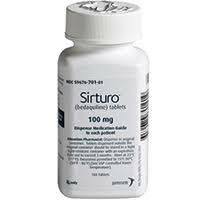
Bedaquiline (bedaquiline) is a drug used to treat drug-resistant Mycobacterium tuberculosis infections, especially multidrug-resistant tuberculosis (MDR-TB) and extensively drug-resistant tuberculosis (XDR-TB). Although bedaquiline has achieved significant results in the treatment of tuberculosis, its use is also accompanied by some side effects, and patients need to pay special attention when taking it.
One of the most common side effects is abnormal liver function. Bedaquiline may cause increases in liver enzyme levels, leading to liver damage. Patients usually need periodic blood tests to monitor liver function during treatment. If abnormal liver function is found, the doctor may adjust the dose of the drug or temporarily stop it. Additionally, some patients may develop liver-related symptoms such as jaundice, which may require immediate discontinuation of the drug and further medical evaluation.
Another common side effect is QT prolongation of the interval. QTProlonged prolongation of the QT interval is a prolonged period of time that indicates the electrical activity of the heart on an electrocardiogram and can lead to serious arrhythmias such as torsade de pointes. The risk of this side effect may be increased when bedaquiline is used with other drugs, especially drugs with a risk of QT prolongation. Therefore, when using bedaquiline, doctors usually monitor the electrocardiogram (ECG) to evaluate changes in the QT interval and adjust treatment if necessary.
Bedaquiline may also cause some gastrointestinal effects, such as nausea, vomiting, diarrhea, and loss of appetite. These side effects are usually mild and improve as the body adjusts to the medication. However, in individual cases, the patient's gastrointestinal discomfort may be severe, affecting the smooth progress of treatment. To reduce gastrointestinal discomfort, patients may consider taking medication after meals or taking relief measures as recommended by their doctor.
In general, although bedaquiline, as a drug for the treatment of multidrug-resistant tuberculosis, has significant advantages in therapeutic effect, its side effects also require sufficient attention. Patients should pay close attention to liver function, heart health, and gastrointestinal reactions during use, and maintain communication with their doctors in order to detect and deal with adverse reactions in a timely manner. With proper monitoring and management, most side effects can be effectively controlled.
Reference materials:https://en.wikipedia.org/wiki/Bedaquiline
[ 免责声明 ] 本页面内容来自公开渠道(如FDA官网、Drugs官网、原研药厂官网等),仅供持有医疗专业资质的人员用于医学药学研究参考,不构成任何治疗建议或药品推荐。所涉药品可能未在中国大陆获批上市,不适用于中国境内销售和使用。如需治疗,请咨询正规医疗机构。本站不提供药品销售或代购服务。


