
.jpeg)
How long is the typical survival time after taking tucatinib? What are the influencing factors?
As a targeted drug, Tucatinib is mainly used to treat HER2-positive breast cancer, especially for advanced or metastatic patients who are resistant to traditional treatments (such as trastuzumab and chemotherapy). Multiple clinical trials have shown that tucatinib, as a potent HER2 inhibitor, can significantly prolong progression-free survival (PFS) and overall survival (OS) in patients, especially when combined with other drugs. The specific survival period varies depending on the individual situation of the patient, but research data shows that the use of tucatinib can help patients achieve a significantly longer survival period.
In the treatment ofHER2positive breast cancer, tucatinib combination regimens (such as in combination with trastuzumab and chemotherapy drugs) have been shown to significantly improve patient survival rates. According to a pivotal clinical trial (the HER2CLIMB trial), patients who received tucatinib plus trastuzumab and chemotherapy had significantly longer overall survival than those who received trastuzumab and chemotherapy alone. Trial data showed that the median overall survival of patients treated with tucatinib reached approximately 2 years, while that of patients not treated with tucatinib was approximately 1 years, demonstrating the important role of tucatinib in prolonging patient survival.
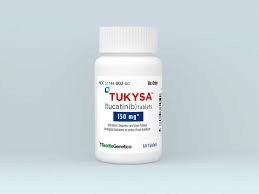
However, the therapeutic effect and survival of tucatinib are still affected by multiple factors. First, the patient's disease stage and metastasis are key factors. For example, patients with early detection and local treatment may have longer survival with tucatinib, whereas patients with advanced disease or multiple metastases may have shorter survival. Secondly, the patient's physical condition, age, and whether there are other comorbidities (such as heart disease) will also affect the treatment effect. Young, healthy patients without serious complications tend to tolerate treatment and have longer survival.
In addition, patient response to treatment and drug tolerance are also important factors affecting survival. Some patients may respond well to tucatinib treatment, with long-term stable disease and significantly prolonged survival, while other patients may have reduced efficacy and shortened survival due to drug resistance or severe side effects. Individualization of treatment and continuous monitoring and adjustment of patients during treatment are keys to improving survival.
Reference materials:https://www.tukysa.com/
[ 免责声明 ] 本页面内容来自公开渠道(如FDA官网、Drugs官网、原研药厂官网等),仅供持有医疗专业资质的人员用于医学药学研究参考,不构成任何治疗建议或药品推荐。所涉药品可能未在中国大陆获批上市,不适用于中国境内销售和使用。如需治疗,请咨询正规医疗机构。本站不提供药品销售或代购服务。


