
.jpeg)
How many doses of Teritusumab are usually required for a course of treatment? How should the length and frequency of treatment be arranged?
Teritusumab (teclistamab) is an anti-BCMA (B cell maturation antigen) monoclonal antibody, mainly used to treat patients with relapsed or refractory multiple myeloma (RRMM). It activates the immune response mediated by T cells by targeting BCMA molecules, thereby effectively killing tumor cells. In clinical application, teritusumab is usually used as monotherapy and can significantly improve patients' survival and quality of life.
During the treatment process, the dosage regimen of teritusumab usually consists of an "initial loading dose" plus subsequent maintenance therapy. Based on current treatment guidelines and clinical trial results, the initial loading dose is usually a once-weekly injection, usually at a higher dose, and continued for several weeks. During the loading phase, patients typically receive four injections in the first cycle, each usually at a dose of 1.5 mg/kg body weight. The purpose of treatment at this stage is to quickly eliminate tumor cells in the body and lay the foundation for subsequent maintenance treatment.
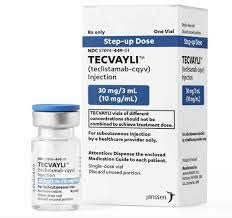
During the maintenance phase, the patient's dose and dosing frequency are adjusted based on their tolerability and efficacy. Typically, maintenance therapy is initiated after initial loading therapy with injections every two weeks at a dose of 1.5 mg/kg body weight. The purpose of the maintenance treatment phase is to continue to control the disease, reduce disease recurrence, and stabilize the patient's condition. Some patients may adjust the injection frequency or dose based on the efficacy and side effects, but all adjustments should be made under the guidance of a doctor.
Generally speaking, the treatment schedule of teritusumab involves two stages: loading therapy and maintenance therapy. Each course of treatment usually requires several doses of the drug, and the specific amount depends on the patient's weight and treatment response. The loading phase is usually short, and the maintenance phase is part of long-term treatment. Patients should work closely with their doctors to regularly evaluate treatment effects and adjust treatment plans in a timely manner to ensure maximum efficacy and reduce side effects.
Reference materials:https://www.tecvayli.com/
[ 免责声明 ] 本页面内容来自公开渠道(如FDA官网、Drugs官网、原研药厂官网等),仅供持有医疗专业资质的人员用于医学药学研究参考,不构成任何治疗建议或药品推荐。所涉药品可能未在中国大陆获批上市,不适用于中国境内销售和使用。如需治疗,请咨询正规医疗机构。本站不提供药品销售或代购服务。


