
.jpeg)
Precautions when using ADAMTS13 recombinant protease (trade name: Apadase α, English: Adzynma)
Adzynma (apadaseα) is a new drug based on recombinant ADAMTS13 protease, mainly used to treat congenital thrombotic thrombocytopenic purpura (cTTP). The drug is designed to meet the medical needs of patients by replacing the ADAMTS13 enzyme that is missing or dysfunctional in the body. Although Adzynma provides a new treatment option for cTTP patients, there are some important matters that need to be paid attention to during use to ensure patient safety and treatment effectiveness.
First,Adzynma is absolutely contraindicated in patients who have had a life-threatening allergic reaction to its ingredients or to the drug itself. This allergic reaction may manifest as a hypersensitivity reaction, including symptoms such as tachycardia, chest tightness, wheezing, and in severe cases, may even lead to acute respiratory distress and hypotension. Therefore, medical staff should specifically inform patients of the early symptoms of hypersensitivity reactions and emphasize that once these symptoms occur, medication should be stopped immediately and appropriate supportive treatment should be given. At the same time, patients need to remain vigilant during treatment and report any abnormal reactions in a timely manner so that they can be dealt with quickly.
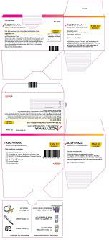
In addition,Adzynma is potentially immunogenic, meaning that during treatment, patients may develop neutralizing antibodies against ADAMTS13. These antibodies may result in a diminished or complete lack of response to ADAMTS13, thereby affecting therapeutic efficacy. In addition, patients may develop antibodies against host cell proteins, which may also trigger adverse reactions. However, there are currently no data on the immunogenicity of Adzynma or in patients who have not been treated with plasma products, so the pros and cons need to be weighed before use.
Common adverse reactions associated with Adzynma include headache, diarrhea, migraine, abdominal pain, nausea, upper respiratory tract infection, dizziness and vomiting. The incidence of these adverse reactions in clinical trials exceeds 5%. During the treatment process, medical staff should closely monitor the patient's health status and deal with adverse reactions in a timely manner to ensure the patient's comfort and safety.
Use with caution in certain populations, especially during pregnancy. The safety of Adzynma during pregnancy has not been verified by clinical controlled trials, and the existing data are insufficient to clarify the potential risks of the drug to the fetus. In addition, there is currently no information on the presence of Adzynma in breast milk and its effects on breastfed infants. Therefore, if a patient needs to receive Adzynma during pregnancy or lactation, healthcare providers should conduct a detailed evaluation and discuss the possible risks and benefits with the patient.
In summary, althoughAdzynma provides valuable treatment opportunities for cTTP patients, strict precautions must still be followed when using it to minimize the occurrence of adverse reactions and ensure the safety and effectiveness of the treatment. Both patients and medical staff should pay close attention to this to promote the best treatment effect.
Reference link:https://www.drugs.com/adzynma.html
[ 免责声明 ] 本页面内容来自公开渠道(如FDA官网、Drugs官网、原研药厂官网等),仅供持有医疗专业资质的人员用于医学药学研究参考,不构成任何治疗建议或药品推荐。所涉药品可能未在中国大陆获批上市,不适用于中国境内销售和使用。如需治疗,请咨询正规医疗机构。本站不提供药品销售或代购服务。


