
.jpeg)
What is Fizotinib? New options for second-generation JAK inhibitors
Fedratinib (trade name: Inrebic) is an oral, highly selective Januskinase2 (JAK2) inhibitor, which is a second-generation JAK inhibitor. It has demonstrated significant clinical efficacy in the treatment of myelofibrosis (MF), providing patients with new treatment options.
Myelofibrosis is a chronic myeloproliferative disease characterized by the gradual replacement of bone marrow tissue by fibrous tissue, resulting in impairment of hematopoietic function. Aberrant activation of JAK2 is one of the important mechanisms associated with myeloproliferative neoplasms (MPNs), including myelofibrosis and polycythemia vera. By efficiently and selectively inhibiting JAK2 enzyme activity, Fizotinib can reduce the production of abnormal blood cells and improve myelofibrosis. In addition, fidratinib also has higher inhibitory activity against family members JAK1, JAK3 and TYK2, showing good targeting and specificity.
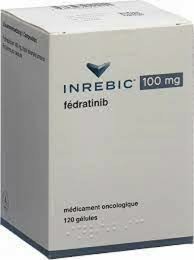
Fizotinib is indicated for the treatment of adult patients with intermediate or high-risk primary or secondary (secondary to polycythemia vera or essential thrombocythemia) myelofibrosis. These patients often face symptoms such as splenomegaly, anemia, fatigue, and bone pain, which seriously affect their quality of life. The emergence of fizotinib provides new treatment hope and options for these patients.
Compared with the first-generation JAK inhibitors, fizotinib, as a second-generation JAK inhibitor, has higher selectivity and affinity and can more effectively inhibit the activity of JAK2 kinase. In addition, fidratinib may have broader effects on disease treatment by selectively inhibiting the activity of other individual kinases, such as FLT3, JAK3, and TRKA. Clinical trials have shown that Fizotinib can significantly reduce spleen size and improve symptoms, and is also an effective treatment option for patients who are resistant to Ruxolitinib.
Although fizotinib is excellent in the treatment of myelofibrosis, it also needs to be aware of its potential side effects during use. Common side effects include diarrhea, nausea, anemia and vomiting. In addition, Fizotinib may cause serious side effects such as hepatotoxicity and Wernicke's encephalopathy. Therefore, before using Fizotinib, doctors need to conduct a comprehensive assessment of the patient, formulate an individualized treatment plan, and closely monitor the patient's condition changes.
Reference materials:https://en.wikipedia.org/wiki/Fedratinib
[ 免责声明 ] 本页面内容来自公开渠道(如FDA官网、Drugs官网、原研药厂官网等),仅供持有医疗专业资质的人员用于医学药学研究参考,不构成任何治疗建议或药品推荐。所涉药品可能未在中国大陆获批上市,不适用于中国境内销售和使用。如需治疗,请咨询正规医疗机构。本站不提供药品销售或代购服务。


