
.jpeg)
Analysis of side effects of donepezil transdermal patch
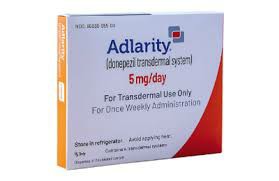
Donepezil is a cholinesterase inhibitor commonly used to treat Alzheimer's disease. It aims to improve cognitive function by inhibiting the activity of acetylcholinesterase and increasing acetylcholine levels. Compared with oral preparations, donepezil transdermal patches, as a new delivery method, have the advantages of reducing gastrointestinal discomfort and improving patient compliance. However, transdermal patches may still cause a series of adverse reactions, including local skin reactions, neurological symptoms, gastrointestinal discomfort, etc., and may even lead to serious adverse reactions in some cases.
1. Adverse skin reactions
Transdermal patches act directly on the skin, so local skin reactions are one of the most common adverse reactions. Specific manifestations include:
Redness, itching, and irritation: Some patients experience redness, itching, stinging, or burning sensation in the area where the patch is applied, which is usually mild to moderate and can be relieved after stopping the medication.
Dermatitis and allergic reactions: Long-term use may cause contact dermatitis, which may manifest as skin swelling, blistering, or pigmentation. Patients who are allergic to ingredients in the patch may experience a more severe allergic reaction, such as skin ulceration or widespread redness and swelling.
Skin barrier damage: Some patients may have damaged the stratum corneum of their skin due to frequent replacement of patches or strong adhesiveness of the patch, causing dryness, peeling or slight ulceration of the skin.
2. Gastrointestinal reactions
Although transdermal patches can reduce the direct irritation of oral medications to the gastrointestinal tract, they may still cause some gastrointestinal discomfort, such as:
Nausea and Vomiting: Because donepezil affects the cholinergic system, some patients may experience nausea, retching, or vomiting, especially during initial use or dose adjustment.
Diarrhea or constipation: Transdermally absorbed donepezil may still affect gastrointestinal motility, causing diarrhea or constipation in some patients.
Loss of appetite: Some patients may experience loss of appetite during medication, and long-term use may lead to weight loss.
3. Nervous system side effects
The mechanism of action of donepezil is closely related to the central nervous system, so the transdermal patch may still cause adverse reactions related to the nervous system, such as:
Dizziness and headache: Some patients may feel dizziness, dizziness or headache during use, especially when standing or changing body positions, which may be related to its impact on the autonomic nervous system.
Sleep disorders: Some patients may experience symptoms such as insomnia, excessive dreams, and easy awakening at night. A few patients may even experience abnormal sleep behavior, such as sleepwalking or nightmares.
Drowsiness and fatigue: Compared with insomnia, some patients may experience excessive sleepiness, listlessness, or persistent fatigue.
Anxiety or depression: Some patients may experience mood swings during medication, including symptoms of anxiety, irritability, or mild depression, but these usually subside as the adaptation period passes.
4. Effects on cardiovascular system
Donepezil may affect the cardiovascular system, especially in elderly patients or patients with existing cardiovascular disease, and may cause the following adverse reactions:
Slowing of the heart rate (sinus bradycardia): Due to the inhibitory effect of the cholinergic system on the heart, some patients may experience a slowing of the heart rate, and in severe cases, syncope or melancholy may occur.
Hypotension or hypertension: Some patients may experience fluctuations in blood pressure, leading to hypotension (dizziness, fatigue) or hypertension (headache, palpitations).
Arrhythmia: In rare cases, it may cause atrioventricular block, arrhythmia or other arrhythmias, especially in patients with other cardiovascular diseases.
5. Other rare but serious side effects
Muscle spasms and joint pain: Some patients may experience muscle spasms or weakness, and occasionally there are reports of stiffness in the limbs or difficulty moving.
Seizures: Rarely, donepezil may lower the epileptic threshold and precipitate seizures, especially in patients with a history of epilepsy.
Respiratory Reactions: In rare cases, bronchospasm may occur or pre-existing asthma symptoms may be aggravated, so patients with existing respiratory problems should use with caution.
6. Risk Management and Precautions
Individualized medication: Doctors should adjust the dosage according to the patient's tolerance, underlying diseases, etc., to avoid serious adverse reactions caused by excessive dosage.
Skin care: Choose a different area when changing patches and avoid reusing the same area to reduce the risk of skin irritation.
Monitor cardiovascular conditions: Elderly patients or patients with a history of cardiovascular disease should regularly monitor heart rate and blood pressure and adjust treatment plans if necessary.
Avoid co-administration with certain drugs: Certain drugs (such as anticholinergics, beta-blockers) may enhance or weaken the effect of donepezil, so coadministration should be done with caution.
The donepezil transdermal patch provides a new delivery method for patients with Alzheimer's disease, which reduces gastrointestinal adverse reactions and improves patients' medication compliance. However, it may still cause adverse skin reactions, gastrointestinal symptoms, neurological effects, and cardiovascular risks. Patients should pay close attention to their own reactions during use. If serious discomfort occurs, they should seek medical treatment in time to adjust the treatment plan to ensure safe and effective use of the drug.
References: https://www.accessdata.fda.gov/drugsatfda_docs/label/2022/212304s000lbl.pdf
[ 免责声明 ] 本页面内容来自公开渠道(如FDA官网、Drugs官网、原研药厂官网等),仅供持有医疗专业资质的人员用于医学药学研究参考,不构成任何治疗建议或药品推荐。所涉药品可能未在中国大陆获批上市,不适用于中国境内销售和使用。如需治疗,请咨询正规医疗机构。本站不提供药品销售或代购服务。


