
.jpeg)
What are the side effects of dextroamphetamine transdermal patch?
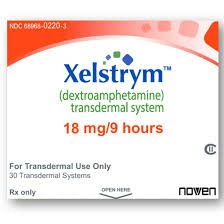
Dextroamphetamine Transdermal System (Dextroamphetamine Transdermal System), as a central nervous system stimulant, is widely used to treat attention deficit hyperactivity disorder (ADHD) and narcolepsy. Although the drug has better efficacy and the transdermal patch version releases the drug more smoothly than oral drugs and reduces gastrointestinal discomfort, it may also cause a series of side effects. Patients should be aware of possible adverse reactions when using this drug and seek medical advice promptly if serious reactions occur.
1. Common side effects
Common side effects of dextroamphetamine transdermal patch are usually related to its central nervous system stimulating effect, mainly including insomnia, anxiety, headache, loss of appetite and dry mouth. These side effects are more common during the initial use of the drug and usually lessen or disappear as the body adapts.
Insomnia: As a stimulant, dextroamphetamine can cause excitement in the nervous system, making it difficult for patients to fall asleep at night. To reduce the occurrence of insomnia, patients should use the medication as early as possible during the day and avoid using it at night.
Anxiety: This drug may cause anxiety and nervousness, especially after the drug takes effect. Patients may feel irritable and have severe mood swings.
Headache: This is one of the common side effects of using dextroamphetamine and may be related to the stimulating effect of the drug on the nervous system. Headaches are generally mild to moderate and can usually be relieved with regular pain medications.
Decreased appetite: Dextroamphetamine can affect appetite, causing patients to eat less. Loss of appetite may affect body weight, and long-term use may lead to malnutrition, so special attention needs to be paid to the patient's dietary status.
Dry mouth: Medications may inhibit saliva production, leading to dry mouth and thus affecting oral health.
2. Cardiovascular side effects
Dextroamphetamine transdermal patches may also cause some cardiovascular side effects, especially when used at high doses. Common cardiovascular reactions include rapid heartbeat (tachycardia), high blood pressure, palpitations, and irregular heartbeats. The occurrence of these side effects is usually related to the stimulant effect of the drug, which may make the blood circulation system overactive.
Tachycardia: The stimulating effect of the drug on the heart may cause the heart rate to increase, especially during exercise or stress. In patients with a history of cardiovascular disease, tachycardia may worsen the condition and cause discomfort or other serious problems.
Hypertension: Dextroamphetamine may cause an increase in blood pressure, especially with long-term use. If the patient has a history of high blood pressure or heart disease, blood pressure should be monitored regularly during use.
3. Mental Health Side Effects
Because dextroamphetamine increases alertness and concentration by stimulating the central nervous system, it may affect mental health, especially with long-term use. Some patients may experience the following symptoms:
Depression and Mood Swings: Although this medication is designed to improve concentration and mood states, it may also trigger symptoms of low mood or depression. This phenomenon is often associated with the stimulant effects of drugs and changes in neurotransmitters, and patients may present with irritability, depression, or emotional instability.
Hallucinations and delusions: A rare side effect is confusion, and some patients may experience hallucinations or delusions. Although the probability of this side effect is low, if severe psychiatric symptoms occur, you should stop taking the drug in time and consult a doctor.
Dependence and Abuse: Due to the stimulant effects of dextroamphetamine, long-term use may lead to dependence, especially in cases of drug abuse. These drugs are controlled substances and must be used strictly as directed by your doctor to avoid abuse or dependence.
4. Other adverse reactions
In addition to the common and serious side effects mentioned above, dextroamphetamine transdermal patches may also cause some other adverse reactions, including:
Skin Reactions: Because this drug is a transdermal patch, patients may experience skin irritation reactions such as redness, itching, rash, or contact dermatitis. When used for a long time, allergic reactions of the skin may occur, and it is necessary to change the position of the drug patch or use anti-allergic drugs to relieve symptoms.
Digestive reactions: In addition to dry mouth, some patients may experience nausea, vomiting, abdominal pain, or constipation. These adverse reactions are usually more obvious in the early stages of drug use and can gradually alleviate over time.
Weight Loss: Patients may experience weight loss due to decreased appetite and increased metabolism. During long-term use, attention should be paid to weight changes to ensure the patient's nutritional intake is adequate and to avoid malnutrition.
Although dextroamphetamine transdermal patch has good effect in treating ADHD and narcolepsy, it is also accompanied by certain side effects, especially those related to its central nervous system stimulant effect. Patients should pay close attention to possible side effects when using this drug and seek medical advice promptly if serious discomfort occurs. At the same time, drugs should be used strictly in accordance with medical instructions to avoid abuse or dependence. During long-term treatment, regular follow-up and monitoring are very important to ensure the safety and efficacy of treatment.
References: https://www.accessdata.fda.gov/drugsatfda_docs/label/2022/215401s000lbl.pdf
[ 免责声明 ] 本页面内容来自公开渠道(如FDA官网、Drugs官网、原研药厂官网等),仅供持有医疗专业资质的人员用于医学药学研究参考,不构成任何治疗建议或药品推荐。所涉药品可能未在中国大陆获批上市,不适用于中国境内销售和使用。如需治疗,请咨询正规医疗机构。本站不提供药品销售或代购服务。


