
.jpeg)
Imatinib/Gleevec discontinuation and risk of relapse
Imatinib/Gleevec (Imatinib), as a first-line treatment for chronic myelogenous leukemia (CML) and gastrointestinal stromal tumors (GIST), can significantly improve patient survival rates. However, many patients wish to discontinue the drug after long-term use to avoid the side effects or financial burden caused by the drug. However, stopping the drug may be accompanied by the risk of recurrence, so before deciding to stop the drug, the risks and benefits must be weighed and strict medical standards must be followed.
Research shows that someCML patients can try to discontinue the drug after taking imatinib for a long time and achieving deep molecular remission (DMR, that is, the level of the BCR-ABL fusion gene is reduced to a very low level). This strategy is called a "Treatment-Free Remission (TFR) trial." Clinical data shows that about 40-60% of CML patients can maintain long-term remission without disease recurrence after discontinuing treatment.
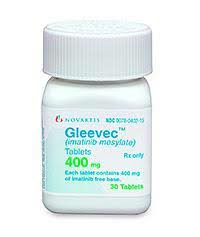
However, this strategy is not suitable for all patients. It is usually recommended that the prerequisites for drug discontinuation include: taking imatinib for at least more than 5 years, BCR-ABL fusion gene testing for at least 2 consecutive years. The test is lower than MR4.5 (extremely deep molecular response) and has good hematological, cytogenetic and molecular responses; For GIST patientsthe risk of drug discontinuation is higher, and current research does not support the discontinuation of imatinib, especially in patients with high risk of recurrence.
Even if all discontinuation criteria are met, 40-60% of CML patients will relapse within 6 months to 1 year after discontinuing treatment. The main reason for relapse is the repopulation of residual leukemia stem cells in the body, which increases the level of BCR-ABL fusion gene. Studies have shown that relapse usually occurs within 3-6 months after discontinuation of medication, so patients need strict follow-up monitoring after discontinuation of medication.
For GIST patients, discontinuation of imatinib may lead to a substantial increase in the risk of tumor recurrence. In most patients with GIST, the disease may relapse in a short period of time after stopping treatment. Therefore, it is not recommended to stop treatment unless explicitly recommended by the doctor.
Reference materials:https://www.gleevec.com/
[ 免责声明 ] 本页面内容来自公开渠道(如FDA官网、Drugs官网、原研药厂官网等),仅供持有医疗专业资质的人员用于医学药学研究参考,不构成任何治疗建议或药品推荐。所涉药品可能未在中国大陆获批上市,不适用于中国境内销售和使用。如需治疗,请咨询正规医疗机构。本站不提供药品销售或代购服务。


