
.jpeg)
What are the precautions for Qfitlia (Fitusiran)?
During clinical studies of Qfitlia (Fitusiran) in the treatment of patients with hemophilia A or B, warnings and precautions regarding thrombotic events, acute and recurrent gallbladder disease, and hepatotoxicity emerged. Discontinue and resume at reduced dose upon recovery, or permanently discontinue based on severity.
1. Thrombotic events: Serious thrombotic events have been reported in patients treated with Qfitlia. The once-monthly dosage of 80 mg is not approved or recommended for use. Participants with thrombophilia or a history of thrombosis are generally excluded from Qfitlia studies. Monitor patients for signs and symptoms of thrombotic events. Interrupt Qfitlia prophylaxis in patients who experience a thrombotic event and manage as clinically indicated.
2. Acute and Recurrent Gallbladder Disease: Qfitlia treatment is associated with an increased incidence of acute and recurrent gallbladder disease, including cholelithiasis and cholecystitis. Qfitlia is not approved or recommended for use in fixed doses (including 80 mg once monthly). Patients diagnosed with acute or recurrent gallbladder disease most commonly present with epigastric pain, generalized abdominal pain, dyspepsia, nausea, and/or vomiting. If gallbladder disease is suspected, appropriate imaging and clinical follow-up are necessary. Consider alternative treatments in patients with hemophilia who have a history of symptomatic gallbladder disease. If gallbladder disease occurs, consider interrupting or stopping Qfitlia.
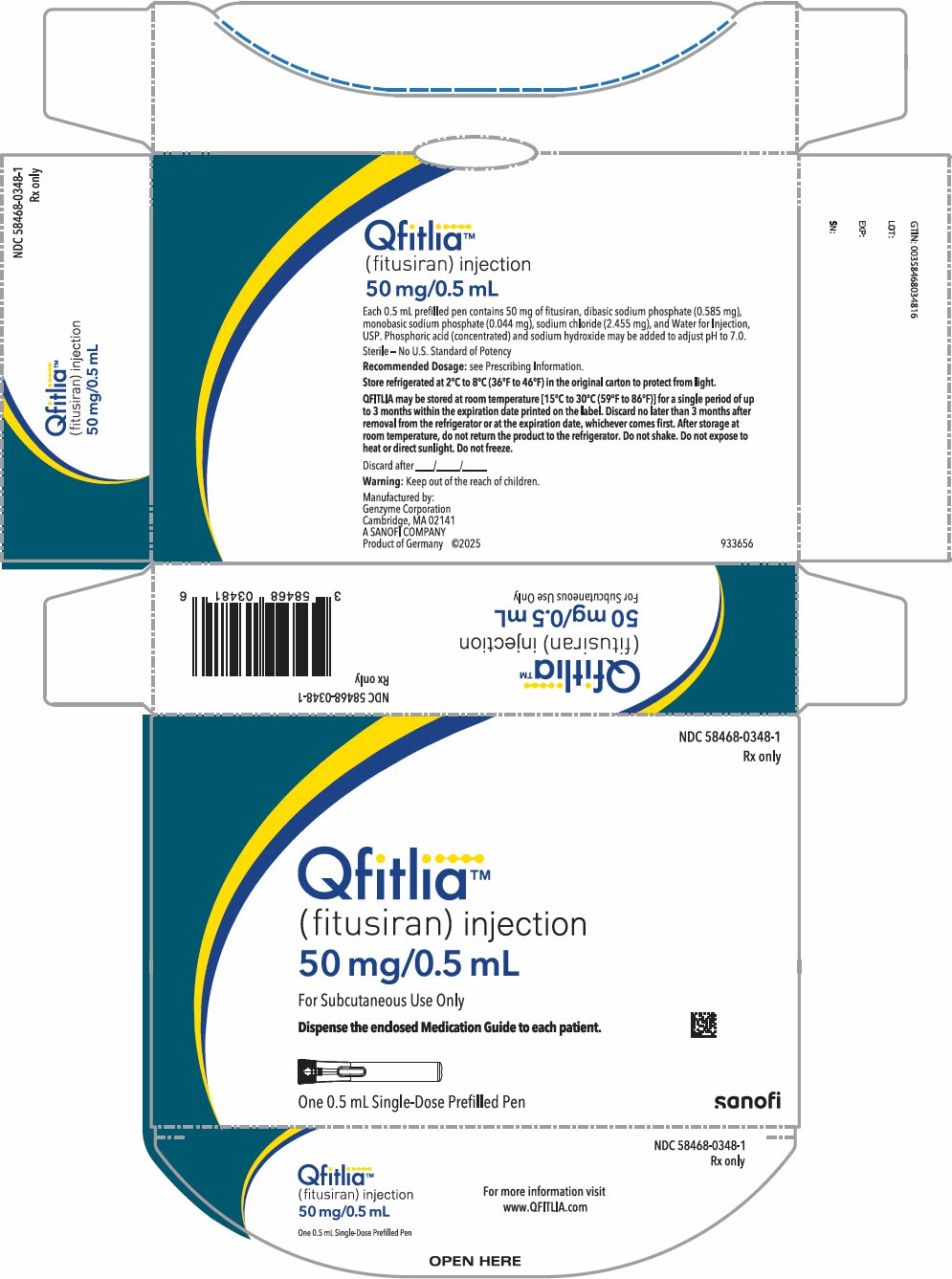
3. Hepatotoxicity: In two randomized studies that tested Qfitlia once a month, 32% of hemophilia patients using inhibitors and 18% of hemophilia patients not using inhibitors had serum alanine aminotransferase (ALT) and aspartate aminotransferase (AST) elevated more than 3 times the upper limit of normal (ULN). Qfitlia 80 mg once monthly is not approved or recommended for use. Avoid use of Qfitlia in patients with hepatic impairment (Child-Pugh classes A, B, and C).
Before initiating Qfitlia, perform baseline liver tests, including AST, ALT, and total bilirubin, at least monthly for the first 6 months of using Qfitlia, monthly for at least 6 months after dose increases, and periodically thereafter as clinically indicated. If new or worsening liver function abnormalities occur, perform appropriate diagnostic evaluation, initiate medical management appropriately, and monitor laboratory parameters until they return to baseline. If ALT or AST rises more than 5 times the ULN, interrupt Qfitlia treatment. Consider the benefits and risks of resuming Qfitlia prophylaxis after resolution of transaminase elevations.
If you decide to restart Qfitlia, wait until your liver tests return to baseline. If Qfitlia is restarted and ALT or AST increases again by more than 5 times the ULN, or the patient develops jaundice (Total bilirubin≥2.5 mg/dL), if it is considered to be hepatotoxicity and other causes of elevated liver function tests are excluded, Qfitlia should be permanently discontinued.
Reference materials:https://dailymed.nlm.nih.gov/dailymed/drugInfo.cfm?setid=6dd2f8ac-6f90-4cbf-b197-97d74964135c
[ 免责声明 ] 本页面内容来自公开渠道(如FDA官网、Drugs官网、原研药厂官网等),仅供持有医疗专业资质的人员用于医学药学研究参考,不构成任何治疗建议或药品推荐。所涉药品可能未在中国大陆获批上市,不适用于中国境内销售和使用。如需治疗,请咨询正规医疗机构。本站不提供药品销售或代购服务。


