
.jpeg)
Can Jisandai/Bingtonsha cure hepatitis B? What is the effect
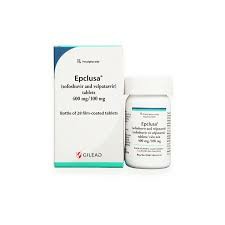
Epclusa is an antiviral drug used to treat chronic hepatitis C (HCV). Its main ingredients are Sofosbuvir and Velpatasvir. Although Jisandai has achieved significant results in the treatment of hepatitis C, the therapeutic effects on hepatitis B (HBV) need to be clearly distinguished.
Hepatitis B is a viral hepatitis caused by hepatitis B virus (HBV), which affects a wide range of people around the world. The treatment of hepatitis B usually relies onantiviral drugs, such as nucleoside (acid) analogues, including entecavir, adefovir and lamivudine. These drugs can effectively inhibitHBV replication and reduce the viral load, thereby improving the health of the liver and preventing the worsening of the condition and the occurrence of complications.
Different from this, Jisandai mainly targets hepatitis C virus (HCV). Its mechanism is to directly act on the RNA polymerase and protease of the virus, thereby interfering with the life cycle of the virus and achieving the effect of inhibiting and clearing the virus. Since the target of Jisandai is different from the mechanism of action of hepatitis B virus, it is not suitable for the treatment of hepatitis B.
Although current clinical research and practice do not support the use of Gissanda in the treatment of hepatitis B, in some special cases, such as patients with mixed infections of hepatitis B and hepatitis C, doctors may develop a comprehensive treatment plan. In this case, treatment may involve a combination of antiviral drugs for hepatitis C and hepatitis B treatments, but this must be done under the guidance of a professional doctor to ensure the safety and effectiveness of the treatment.
In addition, hepatitis B virus (HBV) and hepatitis C virus (HCV) differ in certain immune responses, which also leads to differences in treatment strategies. Hepatitis B is often chronic, and many patients require long-term or even lifelong antiviral treatment. However, after receiving appropriate treatment for hepatitis C, many patients can achieve virological cure, that is, the virus is no longer detectable in the blood. This fundamental difference makes treatment strategies for the two viruses very different.
It is worth noting that the treatment of hepatitis B usually requires long-term management and follow-up, because many patients may be in a chronic state of infection and the hepatitis B virus may persist in the body. Even after treatment, viral load and liver function still need to be monitored regularly. Therefore, when patients receive hepatitis B treatment, they must not only choose appropriate antiviral drugs, but also combine them with individualized medical plans, taking into account their respective health conditions and medical history.
In short, Jisandai cannot be used for the treatment of hepatitis B. Patients should follow the doctor's advice when choosing a treatment plan and use antiviral drugs suitable for their own condition. Maintaining regular re-examinations and monitoring liver function and viral load are crucial to controlling the spread of hepatitis B virus and preventing the occurrence of complications. In addition, patients should also pay attention to their lifestyle, including a healthy diet, moderate exercise, and avoiding alcohol abuse, to enhance their own immunity and improve overall liver health.
Reference: https://www.epclusa.com/
[ 免责声明 ] 本页面内容来自公开渠道(如FDA官网、Drugs官网、原研药厂官网等),仅供持有医疗专业资质的人员用于医学药学研究参考,不构成任何治疗建议或药品推荐。所涉药品可能未在中国大陆获批上市,不适用于中国境内销售和使用。如需治疗,请咨询正规医疗机构。本站不提供药品销售或代购服务。


