
.jpeg)
What does the instructions for Teritolumab contain? What information do you need to pay special attention to when using it?
Teclistamab (Teclistamab) is a new type of immunotherapy drug that is a bispecific antibody designed to treat specific types of cancer, especially multiple myeloma. It activates the anti-tumor immune response of T cells by simultaneously binding to antigens on the surface of T cells and tumor cells, helping the patient's immune system to identify and destroy cancer cells.
1.Drug ingredients and mechanism of action: The main component of Teritusumab is Teritusumab. As a bispecific T cell-engaging monoclonal antibody (BiTE), its working principle is to bind to the BB on the surface of tumor cells through one end. pan>Cell maturation antigen (BCMA), the other end binds to the CD3 receptor on the surface of T cells, thereby inducing T cells to attack cancer cells. The drug has significant efficacy in the treatment of multiple myeloma (MM), and is especially suitable for patients with relapsed/refractory multiple myeloma who are ineffective with traditional treatment options.
2.Indications: Teritusumab is mainly used to treat relapsed /refractory multiple myeloma. This indication is based on results from multiple clinical studies demonstrating the drug's ability to significantly improve clinical outcomes in patients with multiple myeloma, particularly when conventional treatments are ineffective. In addition, teritusumab was approved for patients with resistance to immunotherapy and chemotherapy, providing a new treatment option.
3.Usage and dosage: Teritusumab is usually administered by intravenous injection or subcutaneous injection. The patient's initial dose and subsequent maintenance dose will be adjusted based on the specific recommendations of the physician. Usually, the dose needs to be gradually increased at the beginning of treatment, the patient's response is observed, and whether to continue treatment is decided based on the response. The specific dosage and frequency of administration should be determined based on the patient's condition and tolerance.
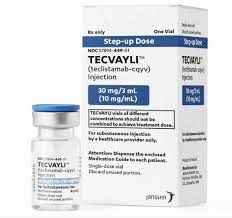
4.Side effects: When using teritusumab, patients may experience some common side effects, the most common of which include: fever, chills, fatigue, hypotension, infection, rash, etc. In addition, because the mechanism of action of teritusumab is by enhancing the response of the immune system, immune-related adverse reactions may occur, such as cytokine release syndrome (CRS) and neurological adverse reactions (such as headache, confusion, etc.). Therefore, it is necessary to closely monitor the patient's immune response during use and take timely intervention measures.
5.When using teritusumab, there are several key points that require special attention:
Cytokine release syndrome (CRS): This is a serious side effect caused by an immune response that may manifest as fever, chills, hypotension, difficulty breathing and other symptoms. Patients need to pay special attention to whether these symptoms occur at the beginning of treatment and receive timely treatment if necessary.
Risk of infection: Due to the activation of the immune system, patients taking teritusumab may be at risk of infection, especially upper respiratory tract infection, pneumonia, etc. Therefore, increased monitoring and prevention of infection is required during treatment.
Nervous system adverse reactions: Some patients may experience neurological side effects, such as headache, confusion, tremor, etc. These symptoms may be related to an immune response triggered by the drug. Physicians should assess the severity of these symptoms and initiate appropriate interventions.
Pregnant and lactating women: The safety of teritusumab to the fetus is unclear, and pregnant women should use it with caution. It is unknown whether the drug is excreted in breast milk, so the use of terituzumab should be avoided in breastfeeding women.
Overall, teritusumab, as a new type of immunotherapy drug, has shown great potential in the treatment of cancers such as multiple myeloma. Although it provides patients with a new treatment option, special attention needs to be paid to possible side effects and related management measures during use, especially cytokine release syndrome and neurological adverse reactions. Patients should use teritusumab under the guidance of a physician and receive adequate monitoring and supportive care during treatment.
Reference materials:https://www.tecvayli.com/
[ 免责声明 ] 本页面内容来自公开渠道(如FDA官网、Drugs官网、原研药厂官网等),仅供持有医疗专业资质的人员用于医学药学研究参考,不构成任何治疗建议或药品推荐。所涉药品可能未在中国大陆获批上市,不适用于中国境内销售和使用。如需治疗,请咨询正规医疗机构。本站不提供药品销售或代购服务。


