
.jpeg)
Detailed instructions for Anamorelin: usage, precautions and side effects
Anamorelin is a synthetic selective growth hormone-releasing hormone (GHRH) receptor agonist. It is mainly used to treat inappetence and weight loss caused by cancer. It is especially effective in cancer-related wasting disease (cancer cachexia). It helps improve patients' quality of life by stimulating the secretion of growth hormone to increase appetite and promote weight gain.
How to use
Anamorelin is usually taken in oral form, and the recommended dose is once daily, usually with the evening meal. The initial dose is 100 mg per day, and the doctor may adjust the dose according to the patient's condition. Anamorelin should be taken approximately 30 minutes to 1 hour before meals to ensure maximum effectiveness of the drug. Patients should follow their doctor's instructions and avoid making dosage adjustments or discontinuing the medication on their own.
During the use of the drug, the patient should take it on time and do not miss a dose. If you accidentally miss a dose, you should take it as soon as possible, but if it is close to the next dose time, you should skip the missed dose and take the medicine at the normal time. During the course of taking it, if serious side effects occur, the patient should communicate with the doctor in time to evaluate whether the treatment plan needs to be adjusted.
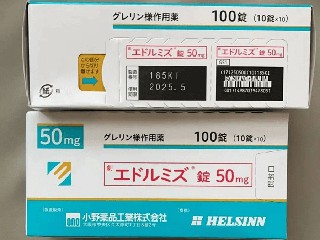
Things to note
1.Use with caution in patients with hepatic and renal insufficiency: The metabolism of anamorelin mainly depends on the liver, so for patients with impaired liver function, caution is required when using anamorelin, and the dose may need to be adjusted. In addition, anamorelin should be used with caution in patients with renal insufficiency, especially in patients with severe renal impairment.
2.Patients with diabetes: Anamulin may affect blood sugar levels, so patients with diabetes should closely monitor blood sugar levels during use. If elevated blood sugar or other related symptoms occur, the doctor should be informed promptly so that appropriate intervention can be carried out.
3.Pregnancy and lactation: Anamulin belongs to the C class of drugs (potentially dangerous to the fetus), so its use should be avoided during pregnancy. Women who are planning to become pregnant or are pregnant should discuss with their doctor whether adjustments to their treatment plan are needed. As for use during lactation, it is not known whether anamorelin is excreted in breast milk, so lactating women should also avoid using this drug.
4.Interactions with other drugs: During the use of anamorelin, patients should inform their doctors of all the drugs they are taking, especially anti-diabetic drugs, hormonal drugs and other drugs that affect the endocrine system. Anamorelin may interact with certain drugs, causing adverse reactions or affecting the effectiveness of treatment.
5.Elderly patients: Elderly patients may need special attention when using anamorelin. Since the elderly are often accompanied by a variety of chronic diseases, the dosage and treatment plan should be adjusted according to individual conditions.
side effects
Anamorelin is a drug that, although effective in treating cancer-related cachexia, may also cause some side effects. The following are common side effects:
1.Gastrointestinal reactions: Because anamulin may cause certain irritation to the gastrointestinal tract, patients may experience gastrointestinal discomfort symptoms such as nausea, vomiting, diarrhea or constipation. These symptoms are usually noticeable at the beginning of treatment and may gradually lessen as adaptation increases.
2.Eedema: Some patients may develop edema, manifested as swelling of the hands, feet or face. This is due to the fact that drugs may cause body fluid retention. Patients should regularly monitor weight changes and report to their doctor in time if edema symptoms are obvious.
3.Abnormal liver function: The use of anamulin may affect liver function and lead to elevated liver enzymes. During treatment, patients should undergo liver function tests regularly. If obvious liver function abnormalities occur, medication may need to be suspended or the treatment plan adjusted.
4.Cardiovascular problems: Although rare, some patients may experience adverse reactions to the cardiovascular system, such as palpitations, chest tightness, etc. If these symptoms occur, you should seek medical advice promptly and inform your doctor.
5.Glucometabolism disorders: Anamulin may cause an increase in blood sugar, making it more difficult for diabetic patients to control blood sugar. Non-diabetic patients may also experience temporary hyperglycemia. Special attention needs to be paid to the monitoring and management of blood sugar.
6.Other reactions: Other possible side effects include headache, muscle pain, fatigue, etc. If patients experience serious side effects such as allergic reactions (rash, difficulty breathing, etc.), they should stop using the drug immediately and seek emergency medical help.
Anamorelin is an effective treatment for cancer-related cachexia by stimulating the release of growth hormone to improve appetite and weight in patients. However, during use, patients need to follow the doctor's guidance and pay close attention to possible side effects, especially gastrointestinal discomfort, abnormal liver function, etc. If any adverse reactions occur, patients should communicate with their doctor promptly and adjust the treatment plan to ensure the safety and effectiveness of the treatment.
Reference materials:https://pmc.ncbi.nlm.nih.gov/articles/PMC4677053/
[ 免责声明 ] 本页面内容来自公开渠道(如FDA官网、Drugs官网、原研药厂官网等),仅供持有医疗专业资质的人员用于医学药学研究参考,不构成任何治疗建议或药品推荐。所涉药品可能未在中国大陆获批上市,不适用于中国境内销售和使用。如需治疗,请咨询正规医疗机构。本站不提供药品销售或代购服务。


