
.jpeg)
What are the side effects of neratinib? How should patients deal with common side effects and their treatments?
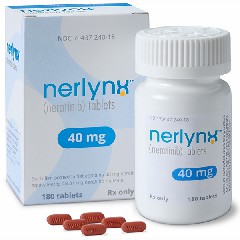
Neratinib is a targeted therapy drug that is mainly used to treat HER2-positive breast cancer, especially as an adjuvant treatment for patients with early-stage breast cancer after surgery, or for patients with HER2-positive breast cancer that has metastasized. As an irreversible tyrosine kinase inhibitor, neratinib can inhibit the activation of HER2 and other related receptors, thereby inhibiting tumor growth. However, despite its significant efficacy in treating breast cancer, patients may also face some side effects during use.
Common side effects
1.Gastrointestinal reactions: One of the most common side effects of neratinib is gastrointestinal reactions, especially diarrhea. Diarrhea usually occurs during the first few weeks of treatment, and patients may experience mild to moderate diarrhea and sometimes severe diarrhea that may lead to dehydration and electrolyte imbalance. Additionally, nausea, vomiting, decreased appetite, and abdominal discomfort may occur. These gastrointestinal reactions may affect the patient's quality of life and even lead to treatment interruption.
2.Skin reactions: Neratinib may also cause skin problems, the most common of which are rash, itching, and dryness. Skin problems are usually mild to moderate, but in some patients they can become more severe and even lead to secondary infections.
3.Abnormal liver function: Neratinib may cause abnormalities in liver function indicators, such as elevated liver enzymes. Patients with poor liver function need regular blood tests to ensure the health of the liver. Symptoms of poor liver function may include jaundice, fatigue, nausea, etc. If these symptoms occur, you should seek medical attention immediately.
4.Heart problems: Although neratinib does not affect the heart as significantly as some other targeted drugs, such as trastuzumab, heart problems are still a potential side effect. Some patients may develop electrocardiogram changes or symptoms of heart failure, although this is rare.
How to deal with common side effects
1.Diarrhea management: For diarrhea, patients should communicate with their doctor at the early stage of treatment and take timely measures. Common treatments include the use of anti-diarrhoeal drugs, such as loperamide (Imodium), and ensuring that patients maintain adequate fluid intake to avoid dehydration. If diarrhea worsens, your doctor may recommend suspending neratinib until symptoms resolve. Patients should follow their doctor's instructions and avoid stopping the medication or changing the dose on their own.
2.Care for skin reactions: For rashes or other skin reactions, patients can use some mild skin care products, such as fragrance-free moisturizers, to relieve dry and itchy skin. It is important to keep your skin clean and moisturized and avoid using skin care products that may irritate your skin. If the rash is severe or persists, patients should contact their doctor, as stronger medications may be needed to relieve symptoms.
3.Liver function monitoring and management: Neratinib may cause liver function damage, so patients should regularly check liver function indicators during treatment. If symptoms such as elevated liver enzymes or jaundice occur, patients should report it to their doctor immediately. Doctors may adjust the treatment plan, reduce the dose of neratinib, or suspend treatment until liver function returns to normal. In addition, patients should avoid ingesting drugs and alcohol that may increase the burden on the liver while taking the medication.
4.Heart health monitoring: Although heart problems are rare, patients with a history of heart disease need to pay more attention to their heart health during treatment. Regular electrocardiograms and monitoring of heart function allow timely measures to be taken when problems arise. If patients develop symptoms such as chest pain, shortness of breath, or edema, they should seek medical treatment promptly.
Neratinib, as an effective targeted therapy, can significantly improve the cure rate and survival rate of HER2 positive breast cancer patients. However, its side effects, especially gastrointestinal reactions, skin problems, abnormal liver function, and heart problems, may affect patients' treatment experience and quality of life. While using neratinib, patients should maintain close contact with their doctors, conduct necessary examinations regularly, and take corresponding countermeasures according to their doctors' recommendations. With reasonable management and treatment, most side effects can be effectively controlled, allowing patients to successfully complete treatment and obtain good results.
Reference:https://en.wikipedia.org/wiki/Neratinib
[ 免责声明 ] 本页面内容来自公开渠道(如FDA官网、Drugs官网、原研药厂官网等),仅供持有医疗专业资质的人员用于医学药学研究参考,不构成任何治疗建议或药品推荐。所涉药品可能未在中国大陆获批上市,不适用于中国境内销售和使用。如需治疗,请咨询正规医疗机构。本站不提供药品销售或代购服务。


