
.jpeg)
Can I stop taking enzalutamide after taking it? Can the withdrawal time be adjusted according to the patient's condition?
Enzalutamide is a nonsteroidal antiandrogen drug widely used to treat castration-resistant prostate cancer (CRPC). It blocks the stimulation of prostate cancer cells by androgens by inhibiting the activity of androgen receptors, thereby effectively delaying the progression of cancer. However, whether and when the drug can be discontinued needs to be determined based on the patient's specific condition, response to treatment, and physician advice.
The time to discontinue medication needs to be determined based on the patient's condition and treatment effect. For some patients, enzalutamide may have effectively controlled the disease and slowed the progression of the cancer. In this case, stopping the drug may not lead to immediate worsening of the disease. However, if the patient's condition is significantly controlled and there are no obvious side effects, the doctor may recommend continued treatment to maintain long-term treatment effects.
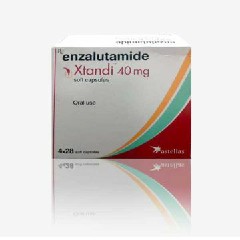
Stopping the medication may cause the cancer to come back. Although enzalutamide is effective in controlling prostate cancer, the cancer may return rapidly once the drug is discontinued, especially in patients with castration-resistant prostate cancer. Therefore, without a clear treatment response or stable disease, stopping the drug without authorization may increase the risk of disease recurrence.
Decision-making when discontinuing medication requires close coordination with your doctor. Physicians will evaluate whether the drug can be discontinued based on the patient's biomarkers, imaging studies, and clinical symptoms. If the condition is stable and the patient has no obvious symptoms of discomfort, the doctor may recommend gradually reducing the dose of the drug rather than stopping the drug immediately to reduce the impact on the patient.
In summary, discontinuation of enzalutamide requires careful decision-making and patients should not discontinue the drug on their own. During the treatment process, patients should communicate with their doctors regularly and adjust the treatment plan based on the treatment effects and side effects to ensure the maximum effect of the treatment and reduce the risk of recurrence.
Reference materials:https://www.xtandi.com/
[ 免责声明 ] 本页面内容来自公开渠道(如FDA官网、Drugs官网、原研药厂官网等),仅供持有医疗专业资质的人员用于医学药学研究参考,不构成任何治疗建议或药品推荐。所涉药品可能未在中国大陆获批上市,不适用于中国境内销售和使用。如需治疗,请咨询正规医疗机构。本站不提供药品销售或代购服务。


