
.jpeg)
What is the cure rate of axitinib/axitinib tablets? Analysis of efficacy and treatment success rate
Axitinib/Axitinib (Axitinib) is a multi-target tyrosine kinase inhibitor mainly used to treat advanced renal cell carcinoma (RCC), especially those patients who are refractory to previous treatments such as anti-angiogenic treatments (such as sorafenib, sunitinib, etc.). As a targeted therapy drug, axitinib can effectively inhibit the growth and spread of tumors and has shown good efficacy in multiple clinical studies. So, what is the cure rate of axitinib? What is its treatment success rate and efficacy?
As a targeted drug, axitinib mainly achieves anti-tumor effects by inhibiting tumor angiogenesis. Its targets include VEGFR (vascular endothelial growth factor receptor) 1, 2, 3, PDGFR (platelet-derived growth factor receptor) and c-KIT. Inhibition of these targets can significantly reduce the oxygen and nutrient supply to tumor cells, thereby inhibiting tumor growth and metastasis. Axitinib is considered a more effective drug in the treatment of advanced renal cell carcinoma, especially in patients who have failed to respond to first-line treatment.
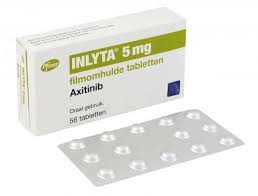
According to the results of multiple clinical trials, the efficacy of axitinib in the treatment of renal cell carcinoma has shown obvious superiority. For example, in the AXIS 1 trial, axitinib showed significant efficacy, particularly in patients who had received prior anti-angiogenic therapy. The study showed that under axitinib treatment, the progression-free survival (PFS) of patients could reach 6.7 months, while in the control group, the PFS was only 4.7 months. This result shows that axitinib significantly prolongs the disease control period and improves the patient's quality of life.
However, although axitinib can significantly delay the progression of the disease, it does not achieve a "cure" effect. Renal cell carcinoma is a highly heterogeneous cancer that is prone to metastasis. Even if targeted drugs such as axitinib can effectively control tumor growth during treatment, complete cure remains a challenge. Therefore, the "cure rate" of axitinib is not high, and it is used more as a long-term drug to control tumor growth.
For the treatment success rate of axitinib, specific figures may vary based on different clinical trial data. According to data from the AXIS trial, among patients with advanced renal cell carcinoma treated with axitinib, the objective response rate (ORR) was approximately 19%, while the partial response rate was 30%. While these numbers may not seem very high, they need to be taken into account the difficulty of treating advanced kidney cancer and the role of axitinib as a second-line treatment. After failure of first-line treatment, axitinib can still bring a certain degree of survival prolongation and symptom relief to patients.
Overall, axitinib has significant efficacy, especially in prolonging progression-free survival, but cure is still an elusive goal for patients with advanced renal cell carcinoma. The success rate of patient treatment is also affected by many factors, including the stage of the disease, the patient's physical condition, and whether drug resistance has developed. In actual clinical applications, axitinib is often used in combination with other treatments (such as immune checkpoint inhibitors or other targeted drugs) in order to increase efficacy and improve patient survival.
Reference materials:https://en.wikipedia.org/wiki/Axitinib
[ 免责声明 ] 本页面内容来自公开渠道(如FDA官网、Drugs官网、原研药厂官网等),仅供持有医疗专业资质的人员用于医学药学研究参考,不构成任何治疗建议或药品推荐。所涉药品可能未在中国大陆获批上市,不适用于中国境内销售和使用。如需治疗,请咨询正规医疗机构。本站不提供药品销售或代购服务。


