
.jpeg)
What disease does tazetostat treat? Detailed explanation of indications and mechanism of action
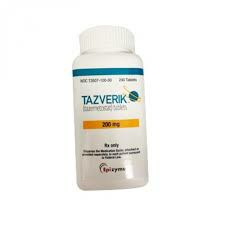
Tazemetostat is a new type of epigenetic regulation drug, mainly used to treat specific types of non-Hodgkin lymphoma and some soft tissue sarcomas. It received accelerated approval from the US FDA in 2020 and became the first methyltransferase inhibitor (MTI) targeting EZH2 gene mutations. It has shown good clinical efficacy in the treatment of relapsed or refractory follicular lymphoma (FL) and epithelioid sarcoma (ES).
1. Relapsed or refractory follicular lymphoma (FL)
Follicular lymphoma is a common indolent form of B-cell non-Hodgkin lymphoma (NHL). It has a long course but is prone to recurrence. Studies have found that approximately 20% of patients with follicular lymphoma have EZH2 gene mutations, which lead to abnormal epigenetic regulation, promote tumor cell proliferation and inhibit apoptosis. In EZH2-mutant follicular lymphoma, this mutation leads to abnormally elevated levels of H3K27me3, allowing tumor cells to continue to proliferate. Tazetostat induces cancer cell death by inhibiting EZH2 activity, reducing H3K27me3 levels, releasing the inhibitory state, and restoring the expression of tumor suppressor genes.
2. Metastatic or locally advanced epithelioid sarcoma (ES)
Epithelioid sarcoma is a rare malignant soft tissue tumor that usually originates from the distal extremities and is prone to local recurrence and distant metastasis, especially in young people. A significant molecular feature of this tumor is the loss of function of the SMARCB1 gene, and overactivation of EZH2 is one of the main carcinogenic mechanisms after deletion of this gene. Tazerestat can inhibit EZH2, thereby preventing the growth of cancer cells and improving patient survival.
Therefore, tazetostat is an epigenetic regulatory drug mainly used to treatEZH2-mutated follicular lymphoma and SMARCB1-deleted epithelioid sarcoma. As an oral small molecule targeted drug, it provides a non-chemotherapy option, especially for patients who are refractory to traditional treatments. In the future, tazerestat may demonstrate its clinical value in more tumor types, including certain hematological malignancies and solid tumors, and is therefore of great concern.
Reference materials:https://www.tazverik.com/
[ 免责声明 ] 本页面内容来自公开渠道(如FDA官网、Drugs官网、原研药厂官网等),仅供持有医疗专业资质的人员用于医学药学研究参考,不构成任何治疗建议或药品推荐。所涉药品可能未在中国大陆获批上市,不适用于中国境内销售和使用。如需治疗,请咨询正规医疗机构。本站不提供药品销售或代购服务。


