
.jpeg)
Instructions for use of Besudil: Key information and precautions
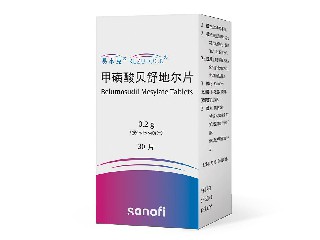
Belumosudil (Belumosudil) is an orally selective ROCK2 (Rho related coiled-coil forming Protein kinase 2) inhibitors are mainly used to treat chronic graft-versus-host disease (cGVHD), especially in patients who have failed previous multiple lines of treatment. The drug relieves the symptoms of cGVHD by regulating the immune system and reducing the inflammatory response. When using this drug, patients need to pay attention to the dosage, possible adverse reactions, drug interactions, and medication for special populations to ensure safe and effective treatment.
1. Dosage and usage
Besudil is usually provided in the form of oral tablets. The standard recommended dose is 200 mg once a day. The specific dosage should be adjusted according to the doctor's prescription. Patients should try to take the medication at the same time every day to maintain stable blood concentrations. The medicine should be swallowed whole and should not be broken, chewed or crushed to avoid affecting the efficacy of the medicine. It can be taken with or without food, but if stomach discomfort occurs, it is recommended to take it with food to reduce irritation.
If the patient misses a dose and it is a long time before the next dose (such as more than 12 hours), the patient can take it as soon as possible; but if it is close to the next dose, the missed dose should be skipped and no additional dose should be increased to avoid drug accumulation leading to adverse reactions.
2. Possible adverse reactions
Similar to other immunomodulatory drugs, besudil may cause mild to moderate adverse reactions, the more common of which include:
1.Gastrointestinal reactions: Symptoms such as nausea, diarrhea, and abdominal pain are relatively common, and some patients may need to adjust their diet or use auxiliary drugs for relief.
2.Hematological abnormalities: Some patients may have anemia, thrombocytopenia or leukopenia, so regular blood tests are necessary.
3.Abnormal liver function: Besudil may cause an increase in liver enzymes (ALT, AST), so liver function needs to be monitored during medication, especially in patients with a history of liver disease.
4. Risk of infection: Since this drug may affect the immune system, long-term use may increase the risk of infection. Patients should pay attention to avoid contact with sources of infection and seek medical treatment promptly when symptoms of infection such as fever, cough, sore throat, etc. occur.
In rare cases, patients may experience serious adverse reactions, such as severe liver damage, lung disease, or worsening of high blood pressure. If patients develop abnormal symptoms while taking the medication, they should contact their doctor immediately for evaluation.
3. Drug interactions
Besudil is primarily metabolized in the liver, so drugs related to the CYP3A4 enzyme may affect its metabolism. Patients should avoid or use the following drugs with caution when using this drug:
CYP3A4Powerful inhibitors (such as clarithromycin, ketoconazole) may increase the plasma concentration of besudil and increase the risk of adverse reactions.
CYP3A4Strong inducers (such as rifampicin, carbamazepine) may reduce the efficacy of besudil and affect the therapeutic effect.
Anticoagulant drugs (such as warfarin): Besudil may enhance the anticoagulant effect and increase the risk of bleeding, so patients taking anticoagulants need to closely monitor their coagulation function.
In addition, patients should avoid drinking alcohol while taking Besudil, as alcohol may increase the burden on the liver and increase the risk of hepatotoxicity.
4. Medication for Special Populations
Pregnant and lactating women: There are currently insufficient studies to prove the safety of besudil in pregnant women, so pregnant women or women trying to become pregnant should avoid its use. If you have an unexpected pregnancy during treatment, you should communicate with your doctor in time. Breastfeeding women should also consider suspending breastfeeding to prevent the drug from affecting the baby through milk.
Patients with hepatic and renal insufficiency: Patients with severe liver disease or renal impairment should use with caution, and their doctor may adjust the dose or choose other treatment options.
Elderly patients:Elderly patients over 65 years old need to pay special attention to changes in liver and kidney function and the risk of infection when taking medication, and adjust the dosage according to their physical condition.
Besudil, an innovative treatment for cGVHD, offers new hope in patients who have failed multiple lines of treatment. When using this drug, patients need to strictly follow the doctor's dosage instructions, pay close attention to possible adverse reactions, and avoid taking it at the same time with certain drugs. Especially for patients with impaired liver function, pregnant women and elderly patients, medication risks should be carefully assessed to ensure safe and effective treatment. If patients experience discomfort during use, they should consult a doctor in time to adjust the treatment plan to obtain the best effect.
Reference materials:https://www.rezuomib.com/
[ 免责声明 ] 本页面内容来自公开渠道(如FDA官网、Drugs官网、原研药厂官网等),仅供持有医疗专业资质的人员用于医学药学研究参考,不构成任何治疗建议或药品推荐。所涉药品可能未在中国大陆获批上市,不适用于中国境内销售和使用。如需治疗,请咨询正规医疗机构。本站不提供药品销售或代购服务。


