
.jpeg)
What is the anti-cancer effect of Lenvatinib? Which cancers does it show significant efficacy in treating?
Lenvatinib (Lenvatinib) is a multi-target tyrosine kinase inhibitor (TKI) that inhibits vascular endothelial growth factor receptor (VEGFR1-3), fibroblast growth factor receptor (FGFR 1-4), platelet-derived growth factor receptor (PDGFR), RET and KIT and other kinases block tumor angiogenesis and inhibit the proliferation and growth of cancer cells. This mechanism of action allows lenvatinib to show good efficacy in the treatment of a variety of solid tumors, especially in liver cancer, thyroid cancer, renal cancer and other cancers.
Lenvatinib is one of the first-line treatment options for advanced hepatocellular carcinoma (HCC), especially for patients with liver cancer who cannot undergo surgery or local treatment. Clinical studies (REFLECT trial) show that lenvatinib has a higher objective response rate (ORR) and longer progression-free survival (PFS) than sorafenib in the treatment of advanced liver cancer. Research data shows that the median overall survival (OS) of lenvatinib can reach 13.6 months, which is comparable to sorafenib, but has more advantages in terms of disease control rate (DCR) and tumor shrinkage rate. Therefore, lenvatinib has become the first-choice targeted therapy for many patients with liver cancer.
Lenvatinib has also shown excellent efficacy in the treatment of radioactive iodine-refractory differentiated thyroid cancer (RR-DTC). The SELECT study shows that lenvatinib can extend the progression-free survival (PFS) of such patients from 3.6 months to 18.3 months, significantly improving the treatment effect. In addition, for some patients with advanced anaplastic thyroid cancer, lenvatinib may also provide certain clinical benefits, making it an important targeted drug in the field of thyroid cancer.
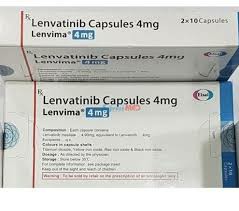
Lenvatinib is used in combination with the PD-1 inhibitor pembrolizumab (Pembrolizumab) and is FDA approved for the treatment of advanced renal cell carcinoma (RCC) first-line treatment. KEYNOTE-581/CLEARThe study showed that this combination regimen significantly prolonged overall survival (OS), and the patient’s progression-free survival (PFS) reached 23.9 months, far exceeding traditional treatment methods. The success of this combination therapy provides a more effective treatment option for patients with advanced kidney cancer.
In addition to the above-mentioned cancer types, research on lenvatinib in various malignant tumors such as endometrial cancer, cholangiocarcinoma, and lung cancer is also continuing. For example, in some patients with endometrial cancer, the combination of lenvatinib and PD-1 inhibitors has shown good therapeutic prospects.
Lenvatinib, as a potent multi-target tyrosine kinase inhibitor, has shown significant efficacy in solid tumors such as liver cancer, thyroid cancer, and renal cancer, and its application in combination immunotherapy has also continued to expand. For patients with advanced cancer, the emergence of lenvatinib provides a new treatment option, improves progression-free survival and improves patients' quality of life. However, because lenvatinib may cause adverse reactions such as hypertension, proteinuria, and hand-foot syndrome, patients need to be closely monitored when using it and adjust the dosage under the guidance of a doctor to ensure the safety and effectiveness of the treatment.
Reference materials:https://www.lenvima.com/
[ 免责声明 ] 本页面内容来自公开渠道(如FDA官网、Drugs官网、原研药厂官网等),仅供持有医疗专业资质的人员用于医学药学研究参考,不构成任何治疗建议或药品推荐。所涉药品可能未在中国大陆获批上市,不适用于中国境内销售和使用。如需治疗,请咨询正规医疗机构。本站不提供药品销售或代购服务。


