
.jpeg)
How effective is tucatinib treatment? Real patient feedback and research data
Tucatinib (Tucatinib) is a selective HER2 tyrosine kinase inhibitor, mainly used to treat HER2 patients with positive breast cancer, especially those who have received multiple lines of treatment but whose disease has progressed. In the HER2CLIMB clinical trial, tucatinib was used in combination with trastuzumab (Herceptin) and capecitabine compared to trastuzumab alone+Capecitabine, the patient's progression-free survival (PFS) was significantly prolonged, and the overall survival rate (OS) was also improved. Research data shows that the combined treatment regimen reduces the risk of death by 34%, showing good efficacy.
HER2Patients with positive breast cancer are prone to brain metastasis, and most HER2 targeted drugs have difficulty penetrating the blood-brain barrier effectively. Tucatinib, due to its molecular structure, can better enter the central nervous system and act on brain metastases. In the HER2CLIMB trial, about **48%** of patients had brain metastases, and patients who received tucatinib combination therapy reduced the risk of brain metastasis progression by 52% and their survival time was also significantly prolonged. This advantage makes tucatinib one of the important treatment options for patients with HER2-positive breast cancer and brain metastases.
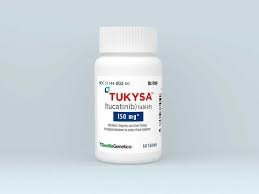
In clinical applications, many patients who received tucatinib reported better disease control, especially patients who had previously failed multiple lines of treatment. A higher proportion of patients had stable disease after using tucatinib. However, some patients report side effects such as diarrhea, hand-foot syndrome, and nausea, among which diarrhea is more common. Although side effects are relatively controllable, a combination of antidiarrheal medications and supportive care is needed to ensure patients tolerate and adhere to the medication to maximize the therapeutic effect.
Current research data shows that tucatinib combination therapy can significantly prolong the survival of patients, especially for patients with brain metastases, and its therapeutic effect is more prominent among existing HER2 targeted drugs. In the future, tucatinib may further expand its indications, such as adjuvant treatment of early-stage HER2-positive breast cancer, or be used in combination with other HER2-targeted drugs to further optimize treatment options. In addition, research on the resistance mechanism of tucatinib is also ongoing, and more precise combination treatment strategies may emerge to provide patients with more treatment options.
Reference materials:https://www.tukysa.com/
[ 免责声明 ] 本页面内容来自公开渠道(如FDA官网、Drugs官网、原研药厂官网等),仅供持有医疗专业资质的人员用于医学药学研究参考,不构成任何治疗建议或药品推荐。所涉药品可能未在中国大陆获批上市,不适用于中国境内销售和使用。如需治疗,请咨询正规医疗机构。本站不提供药品销售或代购服务。


