
.jpeg)
Actual costs borne by patients after reimbursement by medical insurance for imatinib/Gleevec
Imatinib/Gleevec (Imatinib) : As a targeted tyrosine kinase inhibitor (TKI), it is mainly used to treat chronic myelogenous leukemia (CML) and gastrointestinal stromal tumor (GIST). Although monotherapy is widely accepted, in specific cases, the combination of other drugs may enhance efficacy or overcome resistance. However, coadministration requires careful consideration of drug-drug interactions to ensure safety and efficacy.
Imatinib has been launched in China and has been included in the medical insurance catalog, significantly reducing the financial burden on patients. According to current policies, the proportion of medical insurance reimbursement is usually between 70% and 90%. The specific reimbursement situation varies depending on the region, hospital level and patient's medical insurance category. Taking the common specification of 100mg*60 tablets as an example, the price before medical insurance reimbursement is around 2,000 yuan. After reimbursement, the patient's out-of-pocket expense may only be a few hundred yuan. For patients who meet the conditions for critical illness insurance or outpatient reimbursement for special diseases, the actual costs borne by individuals may be further reduced.
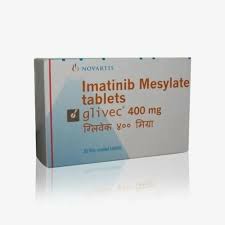
If patients choose to purchase imported versions or generic drugs at their own expense, the price difference is large. For example, the price of imatinib generics produced in India is lower, and the price of 100mg*120 tablets is about 300-400 yuan. Although the ingredients and efficacy are similar to the original drugs, since generic drugs are not officially launched in China, patients need to obtain them through formal channels to ensure drug quality. In addition, some patients may consider purchasing imatinib from other countries such as Turkey. The price is cheaper than the domestic original drug. However, they need to pay attention to changes in international exchange rates and the legality of the purchase channel.
Overall, medical insurance policies have significantly reduced the financial burden on patients, allowing more patients to take medications long-term and maintain disease control. For patients under financial pressure, they can consult the local medical insurance department or hospital to learn about the latest reimbursement policies and application procedures to obtain maximum financial support.
Reference materials:https://www.gleevec.com/
[ 免责声明 ] 本页面内容来自公开渠道(如FDA官网、Drugs官网、原研药厂官网等),仅供持有医疗专业资质的人员用于医学药学研究参考,不构成任何治疗建议或药品推荐。所涉药品可能未在中国大陆获批上市,不适用于中国境内销售和使用。如需治疗,请咨询正规医疗机构。本站不提供药品销售或代购服务。


