
.jpeg)
Axitinib/Axitinib Targeted Drug Instructions: Detailed Usage Guidelines and Precautions
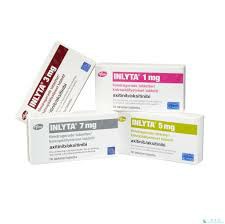
Axitinib, trade name Inlyta, is a kinase inhibitor widely used in the treatment of advanced renal cell carcinoma (RCC). As a first-line treatment drug, axitinib inhibits tumor growth by inhibiting vascular endothelial growth factor receptor (VEGFR) and other related kinases, reducing the blood supply to tumors. The clinical application of axitinib mainly includes combination therapy with other drugs and second-line treatment as a single drug.
1. Indications and treatment options
The main indication of axitinib is the treatment of advanced renal cell carcinoma, especially in patients who have had prior systemic therapy but failed to achieve satisfactory results. Specific indications include:
1. Combined with Avelumab (Avelumab) to treat advanced renal cell carcinoma: In this type of patients, axitinib, as a component of first-line treatment, can effectively improve the efficacy. The recommended starting dose of axitinib is 5 mg orally twice daily, 12 hours apart, and the dose can be increased as needed. During the combination therapy, the medication cycle of axitinib and avelumab is an intravenous infusion of avelumab at 800 mg every 2 weeks until disease progression or unacceptable toxicity occurs.
2. Combined with pembrolizumab (Pembrolizumab) to treat advanced renal cell carcinoma: As another first-line treatment option, axitinib is used in combination with pembrolizumab and is suitable for patients who have not received treatment or whose disease continues to progress. The recommended dose is 5 mg orally administered twice daily, 12 hours apart, in combination with pembrolizumab intravenous infusion (200 mg) every 3 weeks until disease progression or unacceptable toxicity.
3. Second-line treatment: When axitinib is used alone, the recommended starting dose is 5 mg orally twice daily. Patients can adjust the dose as needed. This therapy is suitable for patients with advanced renal cell carcinoma whose disease has progressed after other treatment options, such as immunotherapy or tyrosine kinase inhibitors.
2. User Guide
Axitinib is taken orally and should be avoided with food after each dose. Patients should swallow the medication whole, preferably with a full glass of water. If the patient vomits after taking the medication or misses a dose, it is recommended not to take the missed dose but to continue taking the regular dose at the next dose. In order to ensure that the drug's effect is sustained, patients need to take the drug regularly within the prescribed time and try to avoid skipping doses.
During treatment, doctors may adjust the dose of axitinib based on the patient's condition, drug resistance, and side effects. Common side effects include high blood pressure, fatigue, loss of appetite, and diarrhea. Some patients may need to reduce the dosage or discontinue medication due to these adverse reactions. Therefore, patients need to regularly monitor physiological indicators such as blood pressure and liver function during treatment, and report any symptoms of discomfort in a timely manner.
3. Precautions
The use of axitinib should be done under the guidance of a doctor. Patients need to follow the following precautions during medication:
1. Hypertension management: Axitinib often causes hypertension, so patients need to monitor blood pressure regularly and adjust antihypertensive drugs as needed. If blood pressure is too high, the medication may need to be stopped or the dose adjusted.
2. Liver function monitoring: Since axitinib may affect liver function, it is recommended that patients regularly detect liver enzyme levels before and after treatment, especially in patients with a history of liver disease.
3. Renal function assessment: Axitinib is mainly metabolized by the liver, but it still needs to be used with caution in patients with renal insufficiency. In patients with severe renal impairment, the potential benefits of the drug need to be weighed against its risks.
4. Use during pregnancy and lactation: Axitinib is a drug that may be harmful to the fetus, so its use during pregnancy is not recommended. Breastfeeding women should also avoid use, as the drug may affect the baby through milk secretion.
Reference materials:https://en.wikipedia.org/wiki/Axitinib
[ 免责声明 ] 本页面内容来自公开渠道(如FDA官网、Drugs官网、原研药厂官网等),仅供持有医疗专业资质的人员用于医学药学研究参考,不构成任何治疗建议或药品推荐。所涉药品可能未在中国大陆获批上市,不适用于中国境内销售和使用。如需治疗,请咨询正规医疗机构。本站不提供药品销售或代购服务。


