
.jpeg)
Discussion on the instructions for Osimertinib/Tagressa: Detailed explanation of indications and related medication precautions
Osimertinib is a third-generation epidermal growth factor receptor (EGFR) tyrosine kinase inhibitor that is widely used in the treatment of EGFR mutant non-small cell lung cancer (NSCLC). It has high targeting, can effectively inhibit the growth of tumors caused by EGFR mutations, and penetrates the blood-brain barrier during treatment, so it is particularly effective for NSCLC patients with brain metastases.
1. Indications
Osimertinib is mainly suitable for multiple clinical stages of EGFR mutant non-small cell lung cancer First, osimertinib can be used as an adjuvant treatment for patients with early-stage non-small cell lung cancer, especially those who have undergone surgical resection of the tumor. It is suitable for patients whose tumors have EGFR exon 19 deletion or exon 21 L858R mutation. Such patients take osimertinib 80 mg once daily until disease recurrence, intolerable side effects, or a treatment period of up to 3 years. Secondly, osimertinib can also be used for the treatment of metastatic non-small cell lung cancer, especially those patients with EGFR exon 19 deletion or L858R mutation. In first-line treatment, osimertinib is effective as a single agent and can delay disease progression and improve patient survival rate.
In addition, osimertinib is also suitable for the treatment of drug-resistant non-small cell lung cancer caused byEGFR T790M mutation. For such patients, who usually develop resistance after receiving EGFR tyrosine kinase inhibitor (TKI) treatment, osimertinib can overcome the resistance caused by the T790M mutation and restore the therapeutic effect. Such patients still need to take 80 mg per day when taking osimertinib until disease progression or intolerable side effects occur.
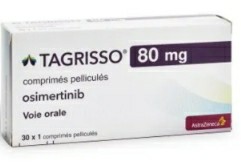
2. Usage and dosage
The recommended dose of osimertinib is 80 mg taken orally once daily, with or without food. In the adjuvant treatment of early-stage non-small cell lung cancer, treatment should be continued until the disease relapses, the drug is intolerable, or 3 years of treatment have been reached. For patients with metastatic NSCLC, treatment with osimertinib is usually continued until disease progression or toxicity intolerance. It is worth noting that patients should undergo regular imaging examinations and biochemical examinations during treatment to evaluate drug efficacy and side effects.
3. Relevant medication precautions
There are several key points to note when using osimertinib.
1. Although osimertinib is a relatively safe drug, during treatment, patients may experience skin reactions (such as rash), diarrhea, nausea and other adverse reactions. If these symptoms are severe, dose adjustment or treatment may need to be suspended.
2. The drug metabolism of osimertinib is closely related to liver function. Therefore, when using it in patients with hepatic insufficiency, caution is required and the dose needs to be adjusted appropriately.
3. In addition, patients need to check their heart function regularly while taking the medicine, because a small number of patients may have electrocardiogram abnormalities.
4. For pregnant and lactating women, the use of osimertinib should follow the doctor's advice, because the drug may have adverse effects on the fetus or infant.
In general, osimertinib, as a targeted therapy for EGFR mutant non-small cell lung cancer, has a wide range of indications and high efficacy. It helps patients control their disease and improve their quality of life by inhibiting EGFR mutations, especially the T790M mutation. However, during the treatment process, patients need to pay close attention to the side effects of the drug and adjust the treatment plan under the guidance of a doctor to obtain the best effect.
Reference materials:https://go.drugbank.com/drugs/DB09330
[ 免责声明 ] 本页面内容来自公开渠道(如FDA官网、Drugs官网、原研药厂官网等),仅供持有医疗专业资质的人员用于医学药学研究参考,不构成任何治疗建议或药品推荐。所涉药品可能未在中国大陆获批上市,不适用于中国境内销售和使用。如需治疗,请咨询正规医疗机构。本站不提供药品销售或代购服务。


