
.jpeg)
Analysis of the efficacy and possible side effects of ceritinib/ceritinib
Ceritinib is a selective ALK (anaplastic lymphoma kinase) inhibitor, mainly used to treat ALK-positive non-small cell lung cancer (NSCLC) patients. The drug was initially approved by the US FDA in 2014 as a second-line treatment option for patients who are resistant or intolerant to crizotinib. Subsequent studies have confirmed that it also has significant efficacy in patients who have not been treated with ALK inhibitors, so it has also been approved as a first-line treatment option.
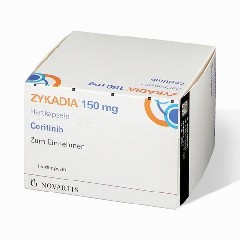
Clinical studies have shown that ceritinib has superior efficacy inALK-positive NSCLC patients. In the pivotal phase III clinical trial ASCEND-4 study, patients who had not received ALK inhibitor treatment had a median progression-free survival (PFS) of 16.6 months after using ceritinib, compared with only 8.1 months in the chemotherapy group, with an objective response rate (ORR) of 72.5%. In the ASCEND-5 study, patients who had been treated with crizotinib but whose disease progressed had a median PFS of 5.4 months after using ceritinib, compared with only 1.6 months in the chemotherapy group, further verifying its advantages in crizotinib-resistant patients. In addition, the efficacy of ceritinib in patients with brain metastases has also attracted much attention. Studies have shown that it can effectively penetrate the central nervous system (CNS), and some patients have significant relief of brain lesions.
Despite its outstanding efficacy, ceritinib has relatively obvious side effects, especially gastrointestinal reactions. Studies show that up to 60% of patients will experience symptoms such as nausea, vomiting, diarrhea and loss of appetite. In addition, elevated liver enzymes (increased ALT and AST) are another common adverse reaction, and liver function needs to be closely monitored. Some patients may experience serious adverse events such as hyperglycemia and QT interval prolongation, so blood sugar, electrolytes and heart health need to be strictly monitored during use. In order to improve tolerability, the study found that adjusting ceritinib from 750 mg on an empty stomach to 450 mg with food can effectively reduce gastrointestinal side effects and improve patient compliance without affecting the efficacy.
Reference materials:https://www.novartis.com/our-products/pipeline/ceritinib
[ 免责声明 ] 本页面内容来自公开渠道(如FDA官网、Drugs官网、原研药厂官网等),仅供持有医疗专业资质的人员用于医学药学研究参考,不构成任何治疗建议或药品推荐。所涉药品可能未在中国大陆获批上市,不适用于中国境内销售和使用。如需治疗,请咨询正规医疗机构。本站不提供药品销售或代购服务。


