
.jpeg)
FDA approves cabozantinib-Cabometyx for adult and pediatric patients 12 years and older with pNET and epNET
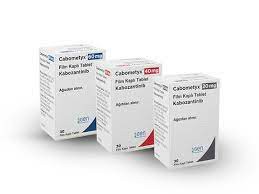
On March 26, 2025, the U.S. Food and Drug Administration (FDA) approved cabozantinib (Cabometyx, cabozantinib) for use in adult and pediatric patients 12 years of age and older. The patient had previously treated, unresectable, locally advanced or metastatic, well-differentiated pancreatic neuroendocrine tumor (pNET) and well-differentiated extrapancreatic neuroendocrine tumor (epNET).
The CABINET trial (NCT03375320) was a double-blind, placebo-controlled, multicenter trial evaluating the efficacy of cabozantinib in patients with NETs in 298 patients with unresectable, locally advanced, or metastatic pNETs who had progressed on prior therapy and divided into two independent randomized cohorts (pNET and epNET). In both cohorts, the primary efficacy outcome measure was progression-free survival (PFS), as assessed by a blinded independent radiology review committee (BIRC) according to RECIST 1.1. Other efficacy outcome measures include overall response rate (ORR) and overall survival (OS).
The pNET cohort included 99 patients who were randomized (2:1) to receive cabozantinib 60 mg orally once daily or placebo until disease progression or unacceptable toxicity. Median progression-free survival was 13.8 months (95% CI, 8.9-17.0) in the cabozantinib group and 3.3 months (95% CI, 2.8-5.7) in the placebo group (hazard ratio [HR] 0.22 [95% CI, 0.12, 0.41]; p value <0.0001). The ORRs in each group were 18% (95% CI, 10-30) and 0% (95% CI, 0-11) respectively. OS data are immature, with 32 deaths (48% of enrolled patients) in the cabozantinib group and 17 deaths (52% of enrolled patients) in the placebo group (HR 1.01 [95% CI, 0.55, 1.83]). Fifty-two percent of patients in the placebo group were switched to open-label cabozantinib, which may affect OS estimates.
The epNET cohort included 199 patients randomized (2:1) to receive cabozantinib or placebo as described above until disease progression or unacceptable toxicity. Median progression-free survival was 8.5 months (95% CI, 6.8, 12.5) in the cabozantinib group and 4.2 months (95% CI, 3.0, 5.7) in the placebo group (HR 0.40 [95% CI, 0.26-0.61]; p value <0.0001). The ORRs in each group were 5% (95% CI, 2.2-11) and 0% (95% CI, 0-5) respectively. OS data are immature, with 83 deaths in the cabozantinib group (63% of enrolled patients) and 40 deaths in the placebo group (60% of enrolled patients) (HR 1.05 [95% CI, 0.71-1.54]). Thirty-seven percent of patients who received placebo switched to open-label cabozantinib, which may have affected OS estimates.
The safety profile of cabozantinib is consistent with the approved product labeling. The recommended dose of cabozantinib for adults and pediatric patients 12 years and older weighing ≥40 kg is 60 mg orally once daily until disease progression or unacceptable toxicity. The recommended dose for pediatric patients 12 years and older weighing less than 40 kg is 40 mg orally once daily until disease progression or unacceptable toxicity.
The most common AEs seen in at least20% of patients treated with cabozantinib in this cohort included fatigue, increased ast levels, diarrhea, hypertension, increased ALT levels, decreased platelet count, rash, stomatitis, nausea, decreased white blood cell count, Decreased neutrophil count, musculoskeletal pain, dysgeusia, hypothyroidism, decreased appetite, decreased hemoglobin, hyperglycemia, abdominal pain, increased ALP, decreased lymphocyte count, decreased weight, increased serum creatinine, hypoalbuminemia, increased blood bilirubin, hypocalcemia, hypokalemia, and hypomagnesemia.
References:https://www.fda.gov/drugs/resources-information-approved-drugs/fda-approves-cabozantinib-adults-and-pediatric-patients-12-years-age-and-older-pnet-and-epnet
[ 免责声明 ] 本页面内容来自公开渠道(如FDA官网、Drugs官网、原研药厂官网等),仅供持有医疗专业资质的人员用于医学药学研究参考,不构成任何治疗建议或药品推荐。所涉药品可能未在中国大陆获批上市,不适用于中国境内销售和使用。如需治疗,请咨询正规医疗机构。本站不提供药品销售或代购服务。


