
.jpeg)
Is selumetinib a targeted drug? Mechanism of action and difference from traditional treatment methods
Selumetinib (Selumetinib) is a targeted drug that mainly acts on the MEK1/2 enzyme. It is a MEK inhibitor and is used to treat multiple types of cancer, including childhood neurofibromatosis. Selumetinib specifically inhibits the MEK (Mitogen-Activated Protein Kinase) signaling pathway, blocking the impact of this pathway on cell proliferation and survival, and has the characteristics of targeted therapy.
The mechanism of action of selumetinib mainly relies on its inhibition of MEK1/2 enzymes. MEK is one of the important components in the MAPK (Mitogen-Activated Protein Kinase) signaling pathway and is involved in the regulation of cell proliferation, differentiation and survival. By inhibiting MEK, selumetinib blocks the MAPK pathway and slows the growth and spread of cancer cells. This pathway is aberrantly activated in many cancer types, especially melanomas with mutations in the NRAS gene, so selumetinib has a significant role in the treatment of these tumors.
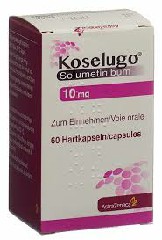
Traditional cancer treatment methods mainly include surgery, chemotherapy and radiotherapy. These treatments are often broad-spectrum, killing cancer cells but may also cause damage to normal cells, causing serious side effects. In contrast, targeted therapies such as selumetinib are more precise. They only target certain molecular targets in cancer cells, such as MEK1/2 enzymes, thereby reducing damage to normal cells. This specific effect of targeted drugs allows patients to better tolerate the side effects of the drugs during treatment, while the treatment effects are more sustained and effective.
A significant advantage of targeted drugs such as selumetinib is fewer side effects compared with traditional chemotherapy drugs. Traditional chemotherapy drugs not only kill cancer cells, but also affect normal cells, especially rapidly dividing cells (such as bone marrow, digestive tract cells, etc.), causing common side effects such as hair loss, nausea, and immune suppression. Targeted drugs act on cancer cells through specific molecular mechanisms, and have mild side effects and usually less severe adverse reactions. In addition, targeted therapy can effectively delay disease progression and improve patients' quality of life.
Reference materials:https://www.koselugo.com
[ 免责声明 ] 本页面内容来自公开渠道(如FDA官网、Drugs官网、原研药厂官网等),仅供持有医疗专业资质的人员用于医学药学研究参考,不构成任何治疗建议或药品推荐。所涉药品可能未在中国大陆获批上市,不适用于中国境内销售和使用。如需治疗,请咨询正规医疗机构。本站不提供药品销售或代购服务。


