
.jpeg)
How much Lenvatinib is appropriate to take? How to determine the dosage of medication based on treatment needs?
Lenvatinib (Lenvatinib) is an oral targeted drug mainly used to treat certain types of cancer, including liver cancer, kidney cancer, thyroid cancer, etc. It exerts anti-tumor effects by inhibiting multiple receptor tyrosine kinases and interfering with the angiogenesis and proliferation of tumor cells. During treatment, determining the appropriate dosage is critical to the efficacy and safety of the drug. Patients should adjust the dose according to their doctor's advice and based on their personal illness, physical condition and treatment response.
The standard starting dose of lenvatinib is usually 20 mg once daily. This dose is appropriate for most adult patients, particularly those with hepatocellular carcinoma (HCC) or other common indications. Based on the patient's individual response, the doctor will evaluate whether dosage adjustments are needed. It is worth noting that lenvatinib is often combined with other anti-cancer drugs, especially when treating liver cancer or kidney cancer. Therefore, in combination therapy, the patient's dose may need to be further determined based on the overall treatment plan.
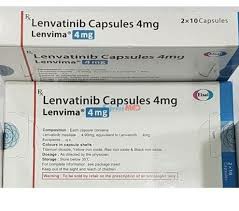
The dose of lenvatinib is usually adjusted based on patient tolerance and side effects. For example, if a patient experiences serious side effects during treatment, such as high blood pressure, diarrhea, loss of appetite, etc., the doctor may reduce the dose or temporarily stop taking the medication. In addition, the patient's liver and kidney function and physical condition are also important factors in determining dosage. If the patient has hepatic or renal insufficiency, a lower dose or more frequent monitoring may be required to ensure the safety of the treatment.
The dose of lenvatinib may require further adjustment in patients with hepatic and renal impairment, especially those with moderate or severe liver problems. In these patients, the metabolism and excretion of the drug may be affected, and therefore, the doctor may choose to lower the dose or choose an alternative treatment option. In addition, although there are no clear dosage adjustment regulations for elderly patients, as the elderly are often accompanied by multiple chronic diseases and reduced organ function, more careful dosage adjustment and stricter monitoring may be required when using lenvatinib.
During lenvatinib treatment, patients need regular examinations and monitoring, especially blood pressure, liver function, kidney function and electrolyte levels. Through these monitoring, doctors can promptly detect whether patients have adverse drug reactions and adjust the dosage to optimize treatment effects. Patients should strictly follow the doctor's instructions, take the medication on time, and do not change the dosage or stop the medication on their own. Through this personalized treatment and dose adjustment, patients can maximize the benefit from the anti-cancer effect of lenvatinib and reduce the occurrence of adverse reactions.
Reference materials:https://www.lenvima.com/
[ 免责声明 ] 本页面内容来自公开渠道(如FDA官网、Drugs官网、原研药厂官网等),仅供持有医疗专业资质的人员用于医学药学研究参考,不构成任何治疗建议或药品推荐。所涉药品可能未在中国大陆获批上市,不适用于中国境内销售和使用。如需治疗,请咨询正规医疗机构。本站不提供药品销售或代购服务。


