
.jpeg)
Does fostatinib need to be taken for life? Does the patient require long-term use?
Fostamatinib is a targeted drug mainly used to treat immune diseases, especially chronic immune thrombocytopenia (ITP) and other diseases. It is a Syk (tyrosine kinase) inhibitor that interferes with the immune response by inhibiting the activity of Syk kinase, thereby reducing abnormal immune attacks and platelet destruction in the body. This drug mainly improves platelet counts and treats related blood diseases by affecting signaling in the immune system. However, whether and how long you need to take fostatinib long-term depends on the patient's specific condition, response to treatment, and your doctor's advice.
1. Treatment cycle and effects
The usage cycle of fostatinib is usually closely related to the patient's condition and treatment effect. For patients with immune thrombocytopenia (ITP), the efficacy of fostatinib is not static. In some patients, platelet counts may gradually recover over weeks or months after starting treatment, while in other patients it may take longer to stabilize. In some cases, patients may reach a stable state of the disease after using the drug for a period of time, and the doctor may decide whether to continue taking the drug based on the patient's condition.
However, since the drug mechanism of fostatinib is to regulate the immune response by inhibiting Sykkinase, this inhibitory effect may be persistent during treatment. Patients may need to use the drug long-term or lifelong to control the disease during the initial stage of treatment or in the case of recurrent attacks. Especially for patients whose disease has been controlled for a long time without significant side effects, doctors may recommend continuing to take medication.
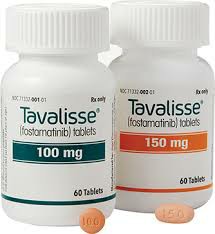
2. Considerations for long-term use
The decision to use fostatinib long-term generally depends on the patient's response to treatment and the drug's side effect profile. While fostatinib can significantly improve symptoms and restore normal platelet counts in many patients, the drug's side effects may also have an impact on patients. Common side effects include gastrointestinal symptoms (such as diarrhea, nausea), hypertension, abnormal liver function, etc. Therefore, patients need to undergo regular monitoring when using fostatinib, including blood pressure, liver function and blood routine, in order to detect and manage possible side effects in a timely manner.
For some patients, especially those with more obvious side effects, doctors may consider adjusting the dose or switching to other treatment options based on their condition. In some cases, after patients may recover symptoms through drug treatment in the short term, doctors may consider gradually discontinuing the drug or reducing the dose based on efficacy. However, most patients, especially those at risk for recurrent disease, still require long-term treatment with fostatinib to maintain disease control.
3. Whether it needs to be taken for life
Whether fostatinib needs to be taken for life depends on the patient's condition management and response to the drug. For some long-term stable patients, doctors may adjust the drug use cycle according to individualized treatment plans, and do not necessarily require patients to take them for life. However, for those patients with more severe disease and recurrent disease, long-term or lifelong use of fostatinib may be a necessary measure to maintain stable disease. Such patients require continuous monitoring of treatment effects and timely adjustments to treatment plans.
Currently, there are no clear studies indicating that fostatinib must be taken for life, but due to its role in immune system regulation, some patients may require long-term use to maintain efficacy. During this process, the patient's treatment goal is to control the disease and reduce disease recurrence. Therefore, the decision to take long-term medication is usually based on the patient's clinical performance and the doctor's professional evaluation.
4. Patient management and self-monitoring
Patients taking fostatinib should have regular follow-up visits with their doctors and adjust their treatment plan according to their doctors' recommendations. Patients should pay attention to possible side effects during treatment and report any discomfort to their doctor in a timely manner. In addition, patients should follow the doctor's advice during medication, take the medication on time, and avoid missing doses or adjusting the dosage by themselves.
Patients taking fostatinib for a long time also need to regularly check relevant physiological indicators, such as liver function, renal function, platelet count, etc., to ensure the safety and effectiveness of the drug. On the premise of ensuring drug safety, patients can gradually adjust the treatment plan under the guidance of a doctor to achieve the best disease management effect.
In short, whether to take fostatinib for life depends on the patient's disease status, treatment response and side effects management. Patients should work with their doctors to develop a personalized treatment plan and regularly evaluate efficacy and drug safety.
Reference materials:https://www.tavalisse.com/
[ 免责声明 ] 本页面内容来自公开渠道(如FDA官网、Drugs官网、原研药厂官网等),仅供持有医疗专业资质的人员用于医学药学研究参考,不构成任何治疗建议或药品推荐。所涉药品可能未在中国大陆获批上市,不适用于中国境内销售和使用。如需治疗,请咨询正规医疗机构。本站不提供药品销售或代购服务。


