
.jpeg)
What is the dosage of Lenvatinib? How can patients adjust dosage according to doctor's recommendations?
Lenvatinib, also known as lenvatinib, is an oral multi-target tyrosine kinase inhibitor, mainly used to treat hepatocellular carcinoma (HCC), renal cell carcinoma (RCC), thyroid cancer and other malignant tumors. It interferes with biological processes such as tumor angiogenesis, proliferation and invasion by inhibiting multiple receptor kinases (such as VEGFR1-3, FGFR1-4, PDGFRα, KIT, etc.), thereby inhibiting tumor growth. When using lenvatinib, patients need to strictly adjust the dosage according to their doctor's recommendations to ensure efficacy and minimize side effects.
The standard usage of lenvatinib is oral administration once daily. The common initial dose is 12 mg. Doctors may adjust the dose based on the patient's specific conditions (such as liver function, weight, tolerance, etc.). If the patient is underweight (eg, less than 60kg), the starting dose may be 8 mg. In addition, the dosage and treatment plan of lenvatinib may vary for different types of tumors, so patients should make adjustments according to their doctor's guidance. Lenvatinib needs to be taken on an empty stomach and avoid taking it with food as food may affect the absorption of the drug.
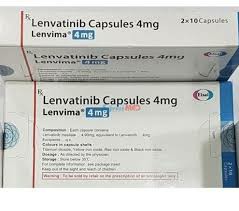
During treatment, patients may experience some side effects, such as high blood pressure, fatigue, nausea, loss of appetite, diarrhea, rash, etc. If these side effects occur, your doctor may recommend reducing your dose or suspending your use of lenvatinib. For serious side effects (such as hypertension, liver damage, cardiovascular events, etc.), it may be necessary to reduce the dose or take other measures during treatment to control adverse reactions. For example, if a patient's blood pressure continues to rise, an antihypertensive medication may be needed, and the dose of lenvatinib may need to be adjusted based on the condition.
In addition, dose adjustment of lenvatinib should also consider the patient's liver function. In patients with hepatic impairment, particularly those with Child-Pugh grade B or C, the dose of lenvatinib may need to be reduced or suspended. For such patients, doctors will decide whether to adjust the treatment plan based on regularly monitored liver function indicators (such as serum aminotransferases, bilirubin, etc.). Regular physical exams and monitoring are key to ensuring patient safety and optimizing treatment outcomes.
Reference materials:https://www.lenvima.com/
[ 免责声明 ] 本页面内容来自公开渠道(如FDA官网、Drugs官网、原研药厂官网等),仅供持有医疗专业资质的人员用于医学药学研究参考,不构成任何治疗建议或药品推荐。所涉药品可能未在中国大陆获批上市,不适用于中国境内销售和使用。如需治疗,请咨询正规医疗机构。本站不提供药品销售或代购服务。


