
.jpeg)
What are the precautions for taking diazepam oral film?
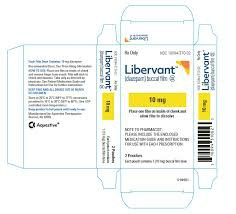
Diazepam oral film is a benzodiazepine drug used to control acute epileptic seizures. It is absorbed through the oral mucosa and has the characteristics of rapid onset and easy use. However, in order to ensure the safety and effectiveness of medication, patients need to pay attention to many aspects when using it, including indications, contraindications, drug interactions, and possible side effects management.
1. Indications and limitations of use
Diazepam oral film is mainly used to control intermittent and acute attacks in patients with epilepsy who are 6 years old and above. It is especially suitable for situations where rapid relief of symptoms is required. However, this drug is not suitable for people with all types of epilepsy. For example, in patients with status epilepticus, diazepam alone may not be sufficient to effectively terminate seizures, and more aggressive intervention with intravenous antiepileptic drugs is often required. In addition, this drug is not suitable for long-term daily prevention of epileptic seizures and is only recommended for emergency treatment in emergencies.
In addition, due to the sedative effects of diazepam, long-term or frequent use may lead to increased tolerance, in which the efficacy of the same dose gradually decreases, requiring higher doses to achieve the same effect. Not only does this increase the risk of side effects, it can also lead to drug dependence. Therefore, patients should strictly follow the doctor's instructions and should not increase the dosage or frequency of use at will.
2. Contraindications and precautions for use by special groups
Diazepam oral film is not suitable for all patients, and the following people should use it with caution or avoid use:
Patients who are allergic to diazepam or other benzodiazepines and have experienced reactions such as severe rash, difficulty breathing, or anaphylactic shock should refrain from use.
Patients with severe respiratory diseases, such as chronic obstructive pulmonary disease (COPD), severe asthma or sleep apnea syndrome, because diazepam may suppress the respiratory center and increase the risk of respiratory failure.
Patients with severe hepatic impairment: Because diazepam is mainly metabolized in the liver, patients with severe hepatic impairment may cause drug accumulation and increase the risk of toxicity.
In patients with severe myasthenia, diazepam may aggravate myasthenic symptoms, leading to more severe movement disorders or dyspnea.
In pregnant and breastfeeding women, diazepam may pass through the placenta or breast milk and affect the fetus or infant, so it should be used with caution after a doctor has evaluated the risks and benefits.
Elderly patients may have increased sensitivity to diazepam due to reduced metabolic capacity and may be more susceptible to excessive sedation, falls, or cognitive decline. Therefore, older adults should use lower doses and have their doses adjusted under a doctor's supervision.
3. Drug interactions and medication precautions
Diazepam oral film may interact with many medications, affecting efficacy or increasing the risk of side effects. Therefore, patients should inform their doctor about all medications they are taking, including prescription drugs, over-the-counter drugs, herbal medicines, and dietary supplements, before taking diazepam.
Risks of concomitant use with other CNS depressants: If diazepam is used concomitantly with opioid analgesics (such as morphine, fentanyl), antipsychotics (such as clozapine), antidepressants (such as paroxetine), or alcohol, it may result in increased central nervous system depression and increase the risk of respiratory depression, profound sedation, and even coma. Therefore, the combined use of these drugs should be avoided or the dosage should be adjusted carefully under the guidance of a doctor.
Interactions with hepatic enzyme inducers or inhibitors: Some drugs (such as carbamazepine, rifampicin) can induce hepatic enzymes to accelerate the metabolism of diazepam, thereby reducing its efficacy; while other drugs (such as ketoconazole, erythromycin) can inhibit metabolism, leading to an increase in diazepam blood concentration and increasing the risk of side effects. Therefore, dosage adjustments may be required in patients taking these drugs.
Danger of combined use with alcohol or sedatives: Alcohol will enhance the sedation and respiratory depression of diazepam, so drinking should be strictly prohibited while taking the drug to avoid serious adverse reactions.
4. Side effects management and medication withdrawal precautions
Common side effects of diazepam oral film include drowsiness, dizziness, fatigue, decreased concentration, and local discomfort in the mouth (such as bitter taste, mild irritation). Usually these symptoms are mild and resolve on their own as the effects of the medication wear off, but if symptoms persist or worsen, you should consult your doctor.
Some patients may experience more serious adverse reactions, such as:
Respiratory depression: manifested as shallow and slow breathing, which can lead to respiratory failure in severe cases, especially when used in combination with other sedatives or in overdose. If you have difficulty breathing, seek medical attention immediately.
Hypotension and dizziness: Some patients may experience a drop in blood pressure after taking the drug, leading to dizziness, unsteady standing or even syncope. Elderly patients or patients with hypotension should pay special attention.
Cognitive and psychiatric symptoms: including memory loss, confusion, anxiety or irritability, etc. Long-term use may affect brain function and lead to cognitive decline.
If a patient needs to stop taking the drug, they should not stop using it suddenly, especially if they have been using it for a long time, otherwise they may experience withdrawal symptoms such as anxiety, insomnia, palpitations, and even epileptic seizures. Therefore, the dose should be gradually reduced under the guidance of a doctor to reduce the risk of withdrawal reactions.
As a fast-acting anti-epileptic drug, diazepam oral film has obvious advantages in emergency situations, but it is necessary to pay attention to the indications, contraindications, drug interactions and possible side effects when using it. Patients should strictly follow the doctor's medication instructions and should not increase the dosage or use it frequently to avoid tolerance and dependence. At the same time, special groups such as the elderly, people with impaired liver function, pregnant women, and lactating women should use it with caution and adjust the dosage reasonably under the supervision of a doctor. If patients experience serious discomfort during use, they should seek medical treatment promptly to ensure safe medication use.
References: https://www.yaozui.com/medicine/di-xi-pan-kou-qiang-mo-ji
[ 免责声明 ] 本页面内容来自公开渠道(如FDA官网、Drugs官网、原研药厂官网等),仅供持有医疗专业资质的人员用于医学药学研究参考,不构成任何治疗建议或药品推荐。所涉药品可能未在中国大陆获批上市,不适用于中国境内销售和使用。如需治疗,请咨询正规医疗机构。本站不提供药品销售或代购服务。


