
.jpeg)
What are the functions and efficacy of tucatinib? Applicable groups and treatment effects
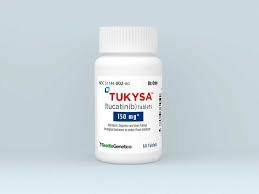
Tucatinib (Tucatinib) is a targeted therapy drug, a tyrosine kinase inhibitor, specifically targeted at the treatment of HER2 (human epidermal growth factor receptor 2)-positive breast cancer. HER2 is a receptor protein that promotes the growth of cancer cells, about 20% to 30% breast cancer patients have HER2 gene amplification, which is manifested by overexpression of HER2 receptors on the surface of tumor cells. Tucatinib blocks the proliferation and metastasis of tumor cells by inhibiting the kinase activity of the HER2 receptor, thereby effectively curbing the progression of HER2-positive breast cancer.
Mechanism of action and efficacy
As a targeted drug, Tucatinib has the function of specifically inhibiting the HER2 receptor. HER2tumor cells in positive breast cancer promote the proliferation and growth of tumor cells by overactivating the HER2 receptor. Tucatinib selectively inhibits the tyrosine kinase activity of the HER2 receptor, cutting off this signaling pathway and reducing the growth and division of tumor cells. In addition, tucatinib can also slow down the resistance of tumor cells to other treatments and improve the therapeutic effect of the drug.
Unlike traditional chemotherapy drugs, tucatinib has a more precise targeting effect and can target specific molecular targets, thereby reducing damage to healthy cells and reducing the occurrence of side effects. This makes tucatinib a very promising drug in the treatment of HER2positive breast cancer, especially for patients who have failed or relapsed with conventional treatments.
Applicable people
Tucatinib is mainly suitable for patients with HER2 positive breast cancer, especially those who have received other treatments (such as chemotherapy, Herceptin, etc.) that are ineffective or have relapsed. Specific indications include:
Advanced or metastaticHER2Patients with positive breast cancer: These patients often develop drug resistance or relapse after traditional treatments, such as chemotherapy and Herceptin. Tucatinib can be used as a second-line or third-line treatment to help delay disease progression and improve patient survival.
Patients who have received Herceptin (trastuzumab) treatment: Tucatinib is often used in combination with Herceptin to further enhance the therapeutic effect of HER2 positive breast cancer. Through combined use, resistance to Herceptin in some patients can be overcome.
Patients who are refractory to other standard treatments: For some HER2-positive breast cancer patients who are refractory to chemotherapy and other targeted drugs, tucatinib provides a new treatment option, especially for those with strong drug resistance or rapid disease progression.
Therapeutic effect
The therapeutic effect of tucatinib has been widely verified in clinical trials. In a pivotal clinical study (the HER2CLIMB study), tucatinib, combined with Herceptin and chemotherapy, showed significant improvements in efficacy, particularly in patients with advanced or metastatic HER2-positive breast cancer. The study results showed that the progression-free survival (PFS) of the tucatinib combination treatment group was significantly prolonged, and the overall survival (OS) was also significantly improved. This research result provides strong evidence for the application of tucatinib in clinical treatment, indicating that it has a significant therapeutic effect on HER2 positive breast cancer, especially when other treatment options are ineffective.
In addition, the side effects of tucatinib are relatively mild. Common adverse reactions include diarrhea, fatigue, nausea, etc., but these side effects are usually more controllable. Compared with traditional chemotherapy drugs, tucatinib has fewer side effects and has less impact on the patient's quality of life. Clinical data shows that tucatinib is well tolerated by patients and has strong and sustained efficacy, helping many advanced patients to control their disease and extend their survival.
As a targeted therapy drug, Tucatinib is mainly suitable for the treatment ofHER2 positive breast cancer, especially for patients with advanced, metastatic or recurrent disease. By precisely targeting the HER2 receptor, tucatinib can effectively control the growth and spread of tumors and improve patient treatment effects and survival. Compared with traditional chemotherapy, tucatinib has fewer side effects and is better tolerated by patients. With the advancement of clinical application, tucatinib has brought new hope to many patients with refractory HER2-positive breast cancer and has become one of the important treatment options in this field.
Reference materials:https://www.tukysa.com/
[ 免责声明 ] 本页面内容来自公开渠道(如FDA官网、Drugs官网、原研药厂官网等),仅供持有医疗专业资质的人员用于医学药学研究参考,不构成任何治疗建议或药品推荐。所涉药品可能未在中国大陆获批上市,不适用于中国境内销售和使用。如需治疗,请咨询正规医疗机构。本站不提供药品销售或代购服务。


