
.jpeg)
Can obeticholic acid reverse cirrhosis? How effective is it in treating liver cirrhosis?
Obeticholic acid is a drug used to treat liver fibrosis associated with primary biliary cholangitis (PBC) and non-alcoholic fatty liver disease (NAFLD). It improves the bile acid metabolism of the liver, reduces liver inflammation, and inhibits the process of fibrosis by activating the farnesolX receptor (FXR). However, the therapeutic effect of obeticholic acid on the reversal of cirrhosis is still limited, and its effect is mainly reflected in slowing down the progression of the disease rather than completely reversing established cirrhosis.
Current research shows that obeticholic acid has significant effects in treating early-stage liver fibrosis and liver inflammation, especially in patients with primary biliary cholangitis and non-alcoholic fatty liver disease. By improving bile acid metabolism and reducing the inflammatory response of the liver, obeticholic acid can effectively slow down the progression of liver fibrosis and delay the formation of cirrhosis. However, obeticholic acid cannot completely reverse existing cirrhosis, especially in patients with advanced cirrhosis, and its effect is not significant.
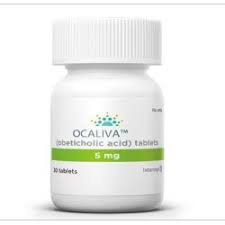
The mechanism of action of obeticholic acid makes it possible to exert greater therapeutic potential in patients with early or intermediate liver fibrosis. Clinical studies have shown that obeticholic acid can improve liver function indicators and reduce fibrosis to a certain extent, especially in patients with non-alcoholic fatty liver disease. However, the reversal of liver cirrhosis is a complex process involving multiple biological reactions in the liver, including regeneration of liver cells and absorption of fibrotic tissue. These processes require more complex treatments and longer time.
In summary, obeticholic acid, as a new treatment drug for liver diseases, has shown positive effects in slowing the progression of cirrhosis and improving liver function. However, obeticholic acid cannot completely reverse the pathological changes of existing cirrhosis, especially late-stage cirrhosis. Its use should be under the guidance of a doctor, to evaluate the efficacy according to the patient's specific condition, and to be used in conjunction with other treatment methods in order to achieve the best therapeutic effect.
Reference materials:https://en.wikipedia.org/wiki/Obeticholic_acid
[ 免责声明 ] 本页面内容来自公开渠道(如FDA官网、Drugs官网、原研药厂官网等),仅供持有医疗专业资质的人员用于医学药学研究参考,不构成任何治疗建议或药品推荐。所涉药品可能未在中国大陆获批上市,不适用于中国境内销售和使用。如需治疗,请咨询正规医疗机构。本站不提供药品销售或代购服务。


