
.jpeg)
Usage and dosage of Osimertinib/Tagressa capsules: How to use medicine scientifically to improve efficacy?
Osimertinib is a targeted drug used to treat EGFR mutation-positive non-small cell lung cancer (NSCLC). As a third-generation EGFR inhibitor, osimertinib can effectively combat the EGFR T790M mutation and is effective against common EGFR mutation types, making it an important treatment option for patients with advanced lung cancer. Correct usage and dosage are the key to improving efficacy and reducing side effects. Patients need to strictly follow medical instructions when taking osimertinib to ensure that its therapeutic effect is maximized.
The usual dose of osimertinib is 80mg once dailyIt usually does not need to be taken with food and can be taken at any time. However, in order to reduce gastrointestinal discomfort, it is recommended to take it after a meal. If a patient misses a dose, it should be taken as soon as possible but should not be taken at twice the next dose. If it is almost time for the next dose, the patient should skip the missed dose and take the next dose at the normal time. Following this medication regimen helps ensure stable blood levels of the drug and minimizes side effects during treatment.
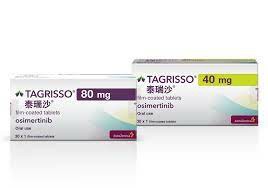
During the treatment of osimertinib, special attention needs to be paid to the side effects of the drug. Common adverse reactions include rash, diarrhea, nail deformation, fatigue, etc. Although these side effects are usually mild, severe rash or lung complications may occur in some patients. To improve drug tolerance, patients should have regular follow-up examinations, including monitoring of liver function, lung function, and skin condition. Doctors may adjust the dose or take symptomatic treatment based on the patient's response to ensure that the patient can maintain long-term treatment and avoid the impact of drug side effects on quality of life.
The effects and treatment period of osimertinib are usually long, so patients need to maintain good medication compliance throughout the treatment process. To optimize efficacy, patients should avoid arbitrary dose changes or discontinuations. Scientific medication management can effectively control the condition, delay disease progression, and improve patients' quality of life.
Reference materials:https://go.drugbank.com/drugs/DB09330
[ 免责声明 ] 本页面内容来自公开渠道(如FDA官网、Drugs官网、原研药厂官网等),仅供持有医疗专业资质的人员用于医学药学研究参考,不构成任何治疗建议或药品推荐。所涉药品可能未在中国大陆获批上市,不适用于中国境内销售和使用。如需治疗,请咨询正规医疗机构。本站不提供药品销售或代购服务。


