
.jpeg)
Is sunitinib a targeted drug? Analysis of pharmacological effects and therapeutic mechanisms
Sunitinib is a targeted therapy drug that is widely used in the treatment of various cancers, especially renal cell carcinoma (RCC) and gastrointestinal stromal tumor (GIST). As a class of oral, small-molecule tyrosine kinase inhibitors, sunitinib effectively curbs tumor progression by selectively inhibiting multiple tyrosine kinases related to tumor growth, angiogenesis, and metastasis. Its unique pharmacological mechanism makes sunitinib an important drug in the field of cancer treatment.
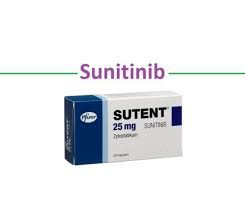
The main pharmacological mechanism of sunitinib is through inhibition of tumor angiogenesis (vascular endothelial growth factor receptorVEGFR), tumor cell proliferation and survival (such as PDGFR and c-Kit receptor) and other key pathways. There are a variety of receptors on the surface of tumor cells and tumor-associated vascular endothelial cells, among which VEGFR, PDGFR and c-Kit receptors are crucial for tumor growth and angiogenesis. Sunitinib inhibits the tyrosine kinase activity of these receptors, reduces the blood supply to tumors, inhibits tumor cell proliferation, and thereby achieves anti-tumor effects. In addition, sunitinib also has a certain impact on the immune system, indirectly supporting the body's anti-tumor response by changing the activity of immune cells in the tumor microenvironment.
The multi-target properties of sunitinib make it highly effective in the treatment of various cancers. In addition to being used to treat renal cell carcinoma and gastrointestinal stromal tumors, sunitinib is also used to treat other malignancies such as pancreatic neuroendocrine tumors (PNET). Studies have shown that sunitinib can significantly improve the progression-free survival (PFS) and overall survival (OS) of patients, and is regarded as a standard treatment option in clinical practice.
However, sunitinib also has certain side effects, mainly related to its inhibitory effect on angiogenesis and tumor growth. Common side effects include high blood pressure, rash, fatigue, diarrhea, mouth ulcers, etc. Although most of these side effects are controllable, close monitoring is required during use, and dosage adjustment or symptomatic treatment is required to reduce discomfort.
Reference materials:https://www.sutent.com/
[ 免责声明 ] 本页面内容来自公开渠道(如FDA官网、Drugs官网、原研药厂官网等),仅供持有医疗专业资质的人员用于医学药学研究参考,不构成任何治疗建议或药品推荐。所涉药品可能未在中国大陆获批上市,不适用于中国境内销售和使用。如需治疗,请咨询正规医疗机构。本站不提供药品销售或代购服务。


