
.jpeg)
Ruxolitinib/ruxolitinib cream VS tacrolimus: who is better?
Drug treatment is a common and effective method in the treatment of immune-related skin diseases such as atopic dermatitis (AD). In recent years, with the deepening of immunological research, targeted therapy for skin diseases has gradually become a new treatment trend. Ruxolitinib and tacrolimus are two commonly used topical immunomodulatory drugs that have attracted widespread attention for their use in the treatment of atopic dermatitis and other diseases. So, which of these two drugs is better? We can compare them from many aspects such as pharmacological effects, efficacy, side effects, and clinical applications.
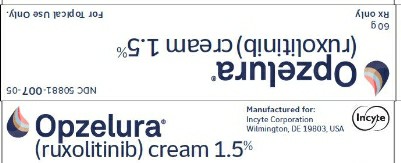
Ruxolitinib is a selectiveJanus kinase (JAK) inhibitor that acts on the JAK-STAT signaling pathway to inhibit the activation of JAK1 and JAK2, thereby reducing the recruitment of inflammatory cells and the activation of immune responses. The JAK-STAT pathway plays a key role in a variety of immune diseases. Ruxolitinib cream, as a topical treatment, can regulate the immune response and relieve the symptoms of atopic dermatitis and other related immune skin diseases by directly acting on the immune cells of the skin. Its uniqueness is that it does not require skin absorption into systemic circulation, and its effects are mainly localized, so side effects are relatively few.
Different from this, tacrolimus is a calcineurin inhibitor that reduces the occurrence of immune responses by inhibiting the activation ofT cells, thereby alleviating skin inflammation. It is commonly used to treat immune-mediated skin diseases such as atopic dermatitis and atopic dermatitis. Compared with ruxolitinib cream, tacrolimus is available not only in topical formulations but also in oral formulations, which are used to treat severe immune-related diseases. As an immunosuppressant, tacrolimus can effectively control inflammatory responses by inhibiting the function of T cells. However, this immunosuppressive effect also makes tacrolimus use potentially associated with a higher risk of infection, especially with long-term use.
In terms of efficacy, both ruxolitinib and tacrolimus have been proven to have good therapeutic effects on atopic dermatitis. Clinical studies have shown that ruxolitinib cream can significantly relieve patients' itching symptoms, reduce the inflammatory response of the skin, and has a good effect on patients with moderate to severe atopic dermatitis. In contrast, tacrolimus, as a classic topical immunomodulatory drug, can also effectively reduce the clinical symptoms of atopic dermatitis, especially in reducing itching and improving skin lesions. However, some patients may develop resistance to tacrolimus or experience side effects such as skin atrophy during long-term use.
In terms of side effects, the side effects caused by topical use of ruxolitinib cream are relatively mild, mainly including local skin irritation, redness and swelling, etc., and the frequency of occurrence is low. Since the effect of the drug is mainly limited to the skin surface, the incidence of systemic side effects is low and the drug is well tolerated by patients. However, in patients with a history of allergies, local irritation may cause mild discomfort. In contrast, long-term use of tacrolimus may cause local skin atrophy, and due to its immunosuppressive effect, it may increase the risk of infection during use. In addition, although tacrolimus does not usually cause systemic side effects, long-term use still requires monitoring for possible side effects, especially the risk related to infection.
Reference: https://www.opzelura.com/
[ 免责声明 ] 本页面内容来自公开渠道(如FDA官网、Drugs官网、原研药厂官网等),仅供持有医疗专业资质的人员用于医学药学研究参考,不构成任何治疗建议或药品推荐。所涉药品可能未在中国大陆获批上市,不适用于中国境内销售和使用。如需治疗,请咨询正规医疗机构。本站不提供药品销售或代购服务。


