
.jpeg)
What is the cure rate for Pitobrutinib? What impact does it have on patients' long-term survival?
Pirtobrutinib is a new type of BTK inhibitor, mainly used to treat relapsed or refractory BCellular malignancies, especially in the treatment of chronic lymphocytic leukemia (CLL) and small lymphocytic lymphoma (SLL). The drug inhibits the proliferation and survival of tumor cells by selectively inhibiting BTK (Brutontyrosine kinase) and preventing the expansion of tumor cells in the body. Although pitobrutinib has good clinical efficacy, specific data on its cure rate and long-term survival are still in the research stage.
First, pitobrutinib has shown significant efficacy in relapsed or refractory B cell malignancies in clinical studies. In an important Phase III clinical trial, pitobrutinib demonstrated higher response rates and longer progression-free survival (PFS) compared with other standard treatment options. For example, studies have shown that patients treated with pitobrutinib achieved a response rate of nearly 60% and that the treatment response lasted longer. This shows that pitobrutinib is very effective in improving tumor control, especially in patients who are resistant to traditional treatment regimens.
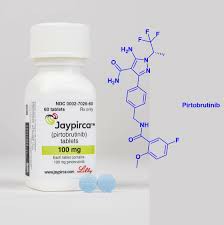
However, the evaluation of cure rate is more complex, especially when treating malignancies such as chronic lymphocytic leukemia (CLL) and small lymphocytic lymphoma (SLL), where cure is not a goal that can be achieved in the short term. Current clinical trial data mainly focus on the remission effect of the drug and the extension of patient survival, and it has not been clearly proven that pitobrutinib can completely cure these diseases. Even so, drugs can significantly improve patients' quality of life and provide new treatment options for some patients who are resistant to traditional treatments. Long-term follow-up studies will help further evaluate the impact of pitobrutinib on long-term survival of patients.
Regarding the impact on long-term survival, although pitobrutinib has not been recognized as the ultimate goal of "cure", its use has greatly improved the overall survival of patients (OS). By effectively inhibiting the growth of B cell malignancies, patients' survival has been significantly extended. Clinically, pitobrutinib is particularly suitable for patients who have responded to other treatments, including first-generation BTKPatients who are resistant to inhibitors such as ibrutinib). Studies have shown that such patients can often regain remission and prolong survival after receiving pitobrutinib treatment, which provides patients with a valuable treatment opportunity.
In conclusion, although pitobrutinib has not been clearly demonstrated in terms of cure rates, it has shown positive efficacy in improving response rates and survival in patients with relapsed or refractory B cell malignancies. It brings new hope to patients who are resistant to traditional treatments and plays an important role in extending patient survival. As more clinical data accumulate, the role of pitobrutinib in long-term survival and its ultimate efficacy may be further clarified in the future. Therefore, patients should communicate closely with their doctors when using pitobrutinib to understand the possible effects and future development directions of the treatment.
Reference materials:https://www.jaypirca.com/
xa0
[ 免责声明 ] 本页面内容来自公开渠道(如FDA官网、Drugs官网、原研药厂官网等),仅供持有医疗专业资质的人员用于医学药学研究参考,不构成任何治疗建议或药品推荐。所涉药品可能未在中国大陆获批上市,不适用于中国境内销售和使用。如需治疗,请咨询正规医疗机构。本站不提供药品销售或代购服务。


