
.jpeg)
What is the duration of resistance to enzalutamide? How should the treatment plan be adjusted after drug resistance?
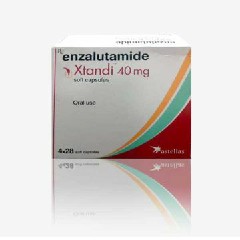
Enzalutamide is a targeted drug used to treat castration-resistant prostate cancer (CRPC). It inhibits the growth of cancer cells by inhibiting the function of androgen receptors and preventing androgens from binding to the receptors. Although enzalutamide has shown significant efficacy in clinical practice, like all anticancer drugs, patients may develop drug resistance as treatment time increases. The development of drug resistance is an important issue in treatment and requires tailoring treatment regimens to the patient's specific circumstances.
1. The emergence of enzalutamide resistance
Enzalutamide resistance often occurs during treatment, especially in patients with castration-resistant prostate cancer (CRPC). Studies have shown that resistance may develop within 12 to 18 months after the start of treatment, which is usually the period when enzalutamide is most effective. Mechanisms of drug resistance may include mutations or amplifications of androgen receptors, changes in drug targets, and changes in the tumor microenvironment. For example, the androgen receptor may mutate so that it is no longer inhibited by enzalutamide, or by changing the drug's metabolic pathways so that it is no longer effective. In addition, tumor heterogeneity may also render some cancer cells unaffected by drugs, leading to drug resistance.
2. Common treatment strategies after drug resistance
Once enzalutamide resistance develops, treatment regimens often need to be adjusted. For CRPC patients, the following directions can be considered for adjustment of treatment plan:
Use other targeted drugs: such as abiraterone (Abiraterone ), another drug commonly used for castration-resistant prostate cancer. Abiraterone further reduces the stimulation of androgens to cancer cells by inhibiting the synthesis of androgens. The combined use of abiraterone and enzalutamide, or switching to abiraterone after patients become resistant to enzalutamide, may achieve better therapeutic effects.
Addition of chemotherapy regimen: For patients who have developed drug resistance, chemotherapy is still an effective treatment option, especially for those patients who are in good physical condition. Docetaxel (Docetaxel) is a commonly used chemotherapy drug that can control disease progression by directly killing cancer cells.
Exploration of immunotherapy: With the continuous development of immunotherapy, immune checkpoint inhibitors (such asPD-1 inhibitors, CTLA-4Inhibitors) are also beginning to receive attention in prostate cancer. Although the current evidence is insufficient, some clinical trials have shown that immunotherapy may have potential efficacy in some drug-resistant cases.
3. Individualized treatment strategy
With the gradual development of precision medicine, personalized treatment strategies for enzalutamide resistance have gradually received attention. Genomic analysis can help doctors better understand the molecular characteristics of patients' tumors and develop more personalized treatment plans. For example, patients with androgen receptor mutations may need targeted drugs to inhibit the function of the mutant receptor, or other androgen receptor-independent treatment modalities. By monitoring tumor markers, gene mutations and other biomarkers, the time and mechanism of drug resistance development can be more accurately predicted, allowing effective measures to be taken in advance.
4. Challenges and prospects in post-drug treatment
Although existing treatments can overcome enzalutamide resistance to some extent, many challenges remain. First, the mechanisms of drug resistance are complex and diverse, and may differ in different patients. Secondly, even after drug resistance occurs, existing therapeutic drugs may still be unable to effectively solve the problem of further tumor spread and metastasis. Therefore, future research needs to further explore new therapeutic targets, innovative drug combinations, and more effective immunotherapy regimens. In addition, the development of technologies such as genomics and liquid biopsy has also provided new hope for precision treatment, helping doctors better manage drug-resistant patients and improve the individualization and accuracy of treatment.
Overall, the emergence of enzalutamide resistance is a challenge in clinical treatment, but by rationally adjusting treatment regimens, exploring new drug combinations, and utilizing personalized treatment strategies, better treatment effects can still be provided to patients. As medical research continues to progress, there may be more innovative treatments to help patients extend their survival and improve their quality of life in the future.
Reference materials:https://www.xtandi.com/
[ 免责声明 ] 本页面内容来自公开渠道(如FDA官网、Drugs官网、原研药厂官网等),仅供持有医疗专业资质的人员用于医学药学研究参考,不构成任何治疗建议或药品推荐。所涉药品可能未在中国大陆获批上市,不适用于中国境内销售和使用。如需治疗,请咨询正规医疗机构。本站不提供药品销售或代购服务。


