
.jpeg)
Which is better, obeticholic acid or ursodecholic acid? What are the differences in efficacy and indications between the two?
Obeticholic acid and ursodeoxycholic acid (UDCA) are both drugs used to treat diseases related to bile acid metabolism, especially in the treatment of cholestasis and certain types of liver diseases. Although both are used in the treatment of liver disease, their mechanisms of action, efficacy, and indications differ. Here's a detailed comparison of the two drugs.
1. Differences in drug action mechanisms
Obeticholic acid is a semi-synthetic bile acid that is an FXR (farnesoid X receptor) agonist. By binding to FXR receptors, it regulates bile acid synthesis, secretion and liver bile acid metabolism pathways, reduces liver cholestasis, and thereby improves liver diseases related to bile acid metabolism. Obeticholic acid helps treat diseases such as primary biliary cholangitis (PBC) and cirrhosis by reducing the synthesis of bile acids by the liver and enhancing bile acid excretion.
Obeticholic acid is mainly used to treat primary biliary cholangitis (PBC). The disease is caused by obstruction of bile flow, and long-term cholestasis can lead to liver damage and cirrhosis. Obeticholic acid can significantly slow down the progression of the disease by regulating the synthesis and metabolism of bile acids, and is especially suitable for PBC patients whose disease cannot be controlled by ursodecholic acid alone. In addition, obeticholic acid has also been studied for the treatment of other liver diseases, such as non-alcoholic fatty liver disease (NAFLD) and cirrhosis, but these indications are still in the clinical trial stage.
Ursodecholic acid has a wider range of indications. It is mainly used to treat primary biliary cholangitis (PBC), especially in early mild to moderate patients. Ursodecholic acid has significant effects in improving bile acid metabolism and reducing liver damage. It is also used to treat gallstones, bile duct obstruction, and non-alcoholic fatty liver disease. Compared with obeticholic acid, ursodecholic acid has a wider range of indications and its efficacy is milder, and is usually used in patients with milder diseases.
3. Comparison of efficacy
Obeticholic acid has significant efficacy in the treatment of PBC, especially in patients who are refractory to ursodecholic acid therapy. Clinical studies have shown that obeticholic acid can significantly improve liver function indicators such as bilirubin levels and alkaline phosphatase (ALP) levels, and the effects are sustained in the long-term management of the disease. Obeticholic acid is more effective at slowing liver damage and reducing the risk of progression to cirrhosis, especially in high-risk patients.
Ursodecholic acid also has good efficacy in the treatment of early-stage PBC patients. It can effectively improve the bile acid metabolism of the liver and reduce the damage to the liver caused by cholestasis. Although its efficacy is milder than obeticholic acid, as a long-term drug, it has fewer side effects and is widely used in the basic treatment of liver diseases.
4. Side effects and safety
The side effects of obeticholic acid may be more obvious, and common adverse reactions include diarrhea, abdominal pain, fatigue, and headache. In some patients, obeticholic acid may cause abnormal liver function, so regular monitoring of liver function is required during treatment. Although obeticholic acid has significant efficacy, the existence of side effects requires patients to strictly monitor it under the guidance of a doctor when using it.
Ursodecholic acid has relatively few side effects and is generally a better tolerated drug. Some patients may experience mild diarrhea, constipation and other gastrointestinal discomfort, but these side effects are usually not serious and will gradually ease as treatment continues. Overall, ursodecholic acid is safer in long-term use and is suitable for more patients.
Obeticholic acid and ursodecholic acid each have different mechanisms of action and indications. Patients should make judgments based on the characteristics of their individual conditions when choosing treatment. If the patient's PBC progresses rapidly or does not respond well to ursodecholic acid, obeticholic acid may be a more appropriate choice. On the contrary, ursodecholic acid may be more suitable for early or mild patients. The final treatment decision should be determined by a professional physician based on the patient's specific situation.
Reference: https://en.wikipedia.org/wiki/Obeticholic_acid
1. Differences in drug action mechanisms
Obeticholic acid is a semi-synthetic bile acid that is an FXR (farnesoid X receptor) agonist. By binding to FXR receptors, it regulates bile acid synthesis, secretion and liver bile acid metabolism pathways, reduces liver cholestasis, and thereby improves liver diseases related to bile acid metabolism. Obeticholic acid helps treat diseases such as primary biliary cholangitis (PBC) and cirrhosis by reducing the synthesis of bile acids by the liver and enhancing bile acid excretion.
In contrast, ursodecholic acid is a natural bile acid that promotes the metabolism and excretion of bile acids by reducing the toxic effects of insoluble bile acids. It reduces liver inflammation and relieves cholestasis by changing the composition of bile acids and reducing damage to liver cells by bile acids. Ursodecholic acid is widely used to treat primary biliary cholangitis (PBC), non-alcoholic fatty liver disease (NAFLD), and certain types of biliary tract disease.
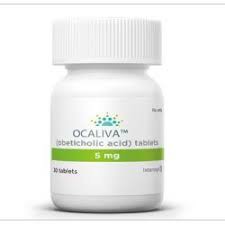
Obeticholic acid is mainly used to treat primary biliary cholangitis (PBC). The disease is caused by obstruction of bile flow, and long-term cholestasis can lead to liver damage and cirrhosis. Obeticholic acid can significantly slow down the progression of the disease by regulating the synthesis and metabolism of bile acids, and is especially suitable for PBC patients whose disease cannot be controlled by ursodecholic acid alone. In addition, obeticholic acid has also been studied for the treatment of other liver diseases, such as non-alcoholic fatty liver disease (NAFLD) and cirrhosis, but these indications are still in the clinical trial stage.
Ursodecholic acid has a wider range of indications. It is mainly used to treat primary biliary cholangitis (PBC), especially in early mild to moderate patients. Ursodecholic acid has significant effects in improving bile acid metabolism and reducing liver damage. It is also used to treat gallstones, bile duct obstruction, and non-alcoholic fatty liver disease. Compared with obeticholic acid, ursodecholic acid has a wider range of indications and its efficacy is milder, and is usually used in patients with milder diseases.
3. Comparison of efficacy
Obeticholic acid has significant efficacy in the treatment of PBC, especially in patients who are refractory to ursodecholic acid therapy. Clinical studies have shown that obeticholic acid can significantly improve liver function indicators such as bilirubin levels and alkaline phosphatase (ALP) levels, and the effects are sustained in the long-term management of the disease. Obeticholic acid is more effective at slowing liver damage and reducing the risk of progression to cirrhosis, especially in high-risk patients.
Ursodecholic acid also has good efficacy in the treatment of early-stage PBC patients. It can effectively improve the bile acid metabolism of the liver and reduce the damage to the liver caused by cholestasis. Although its efficacy is milder than obeticholic acid, as a long-term drug, it has fewer side effects and is widely used in the basic treatment of liver diseases.
4. Side effects and safety
The side effects of obeticholic acid may be more obvious, and common adverse reactions include diarrhea, abdominal pain, fatigue, and headache. In some patients, obeticholic acid may cause abnormal liver function, so regular monitoring of liver function is required during treatment. Although obeticholic acid has significant efficacy, the existence of side effects requires patients to strictly monitor it under the guidance of a doctor when using it.
Ursodecholic acid has relatively few side effects and is generally a better tolerated drug. Some patients may experience mild diarrhea, constipation and other gastrointestinal discomfort, but these side effects are usually not serious and will gradually ease as treatment continues. Overall, ursodecholic acid is safer in long-term use and is suitable for more patients.
Obeticholic acid and ursodecholic acid each have different mechanisms of action and indications. Patients should make judgments based on the characteristics of their individual conditions when choosing treatment. If the patient's PBC progresses rapidly or does not respond well to ursodecholic acid, obeticholic acid may be a more appropriate choice. On the contrary, ursodecholic acid may be more suitable for early or mild patients. The final treatment decision should be determined by a professional physician based on the patient's specific situation.
Reference: https://en.wikipedia.org/wiki/Obeticholic_acid
[ 免责声明 ] 本页面内容来自公开渠道(如FDA官网、Drugs官网、原研药厂官网等),仅供持有医疗专业资质的人员用于医学药学研究参考,不构成任何治疗建议或药品推荐。所涉药品可能未在中国大陆获批上市,不适用于中国境内销售和使用。如需治疗,请咨询正规医疗机构。本站不提供药品销售或代购服务。


