
.jpeg)
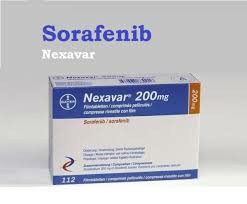
What are the effects and side effects of sorafenib? What side effects may I experience during treatment?
1. The main effects of sorafenib
Sorafenib is a multi-kinase inhibitor and a targeted drug. It is mainly used to treat a variety of malignant tumors, including:
Hepatocellular carcinoma (HCC): Sorafenib is the first targeted drug approved by the FDA for the treatment of advanced liver cancer. It can inhibit cancer cell proliferation and block tumor angiogenesis, thereby delaying the progression of the disease.
Advanced renal cell carcinoma (RCC): Sorafenib can effectively inhibit the growth of renal cancer cells, reduce tumor vascularization, and improve the progression-free survival of patients.
Differentiated thyroid cancer (DTC): For progressive thyroid cancer that is refractory to radioactive iodine, sorafenib can inhibit cancer cell proliferation and angiogenesis, thereby controlling disease development.
The mechanism of action of sorafenib is mainly through inhibiting RAFkinase, VEGFR, PDGFR and other signaling pathways, thereby affecting the proliferation, angiogenesis and apoptosis of tumor cells, making it an effective anti-cancer targeted therapy drug.
2. Common side effects of sorafenib
Although sorafenib is effective in treating malignant tumors, it may also cause a series of adverse reactions due to its extensive action on multiple kinase pathways. The following are common side effects:
Skin related side effects:
Hand-foot skin reaction (HFSR): Redness, pain, peeling, and even blistering may occur on the palms and soles of the feet. This is a relatively common side effect.
Rash, dryness and itching: Some patients may experience dry skin, peeling, itching and other uncomfortable symptoms.
Gastrointestinal discomfort:
Diarrhea: This is one of the most common side effects of sorafenib and may lead to dehydration in severe cases.
Nausea, vomiting, decreased appetite: Sorafenib may affect gastrointestinal function, leading to decreased appetite and even weight loss.
Hypertension: Sorafenib can cause vasoconstriction, leading to an increase in blood pressure, and some patients may need to take additional antihypertensive drugs for management.
Weakness and fatigue: Patients taking sorafenib often experience general fatigue, which may affect daily activities.
Abnormal liver function: may cause liver enzymes (ALT, AST) increases, and even liver function damage may occur, so liver function needs to be monitored regularly during medication.
Bleeding and delayed wound healing: Because sorafenib inhibits angiogenesis, some patients may experience nose bleeding, gum bleeding, etc., and wound healing may be delayed after surgery.
3. Management and mitigation measures of side effects
Although sorafenib may cause a variety of side effects, through reasonable management, the severity of side effects can be reduced and patients' tolerance can be improved.
Skin side effects management:
To prevent hand-foot syndrome, you can use moisturizing cream before medication to reduce skin dryness and friction; when symptoms occur, you can reduce weight-bearing on the hands and feet and use emollient or urea-containing skin care products to relieve the symptoms.
For rashes and itching, antihistamines or low-concentration steroid creams can be used to relieve symptoms.
Management of gastrointestinal discomfort:
For mild diarrhea, increase fluid intake and take antidiarrheal drugs (such as loperamide) if necessary;
Avoid irritating foods, such as spicy and greasy foods;
Nausea and vomiting can be relieved by eating small, frequent meals and taking antiemetics (such as ondansetron).
Blood pressure management:
Blood pressure needs to be monitored regularly while taking sorafenib. If blood pressure rises significantly, the doctor may recommend taking antihypertensive drugs.
Management of fatigue and fatigue:
Maintaining adequate sleep and engaging in moderate low-intensity activities, such as walking, can improve fatigue symptoms.
Liver function monitoring:
Liver function needs to be monitored regularly during medication. If liver enzymes are found to be elevated, a doctor should be consulted to adjust the dose or take liver-protective measures.
Surgical and Bleeding Risk Management:
If a patient is planning surgery, the doctor may recommend stopping medication at least two weeks before surgery to reduce the risk of postoperative bleeding and poor healing.
As an effective targeted therapy drug, sorafenib plays an important role in the treatment of malignant tumors such as liver cancer, kidney cancer, and thyroid cancer. However, due to its broad mechanism of action, patients may experience a variety of side effects during use, including skin reactions, gastrointestinal discomfort, hypertension, fatigue, and abnormal liver function. Most side effects can be effectively managed through regular monitoring, lifestyle adjustments, and medication-assisted treatment. Therefore, patients should pay close attention to their body's reactions during medication and maintain communication with their doctors to ensure the smooth progress of treatment and improvement of quality of life.
Reference materials:https://www.nexavar.com/
[ 免责声明 ] 本页面内容来自公开渠道(如FDA官网、Drugs官网、原研药厂官网等),仅供持有医疗专业资质的人员用于医学药学研究参考,不构成任何治疗建议或药品推荐。所涉药品可能未在中国大陆获批上市,不适用于中国境内销售和使用。如需治疗,请咨询正规医疗机构。本站不提供药品销售或代购服务。


