
.jpeg)
What are the main functions and effects of selumetinib? Which diseases are suitable for treatment?
Selumetinib is a MEK 1/2 inhibitor that inhibits the growth and proliferation of cancer cells by blocking the RAS/MAPK signaling pathway. This pathway is abnormally activated in a variety of cancers and genetic diseases. Therefore, the main role of selumetinib is to inhibit abnormal cell proliferation and control the development of lesions.
The primary indication for selumetinib is neurofibromatosis type 1 (NF1)-related plexiform neurofibromas (PN). NF1It is a hereditary neurological disease in which patients develop nervous system tumors, especially plexiform neurofibromas (PN). These tumors may cause pain, movement disorders, organ compression and other serious problems. Selumetinib is approved for use in patients 2 years old and above with unresectable PN. It can significantly reduce tumor volume and relieve symptoms, thereby improving the patient's quality of life.
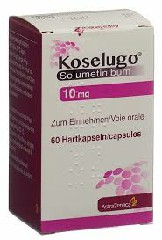
In addition to NF1related PN, selumetinib has also been studied in a variety of cancers (such as certain melanomas, lung cancers, thyroid cancers, etc.) and other RAS mutation-related diseases. Some clinical trials have shown that it may be effective in these diseases, but it has not yet been widely approved.
Compared with traditional treatment methods, selumetinib can reduce tumor volume and reduce the risk of disease progression by targeting the MEK pathway. It is the first oral drug approved for NF1-related PN, providing patients with a non-surgical treatment option.
In general, selumetinib has significant efficacy in the treatment of NF1related PN and may be expanded to other diseases related to RAS/MAPK signaling pathway abnormalities in the future.
Reference materials:https://www.koselugo.com
[ 免责声明 ] 本页面内容来自公开渠道(如FDA官网、Drugs官网、原研药厂官网等),仅供持有医疗专业资质的人员用于医学药学研究参考,不构成任何治疗建议或药品推荐。所涉药品可能未在中国大陆获批上市,不适用于中国境内销售和使用。如需治疗,请咨询正规医疗机构。本站不提供药品销售或代购服务。


