
.jpeg)
What drugs should not be taken with axitinib/axitinib? Drug interactions and usage recommendations
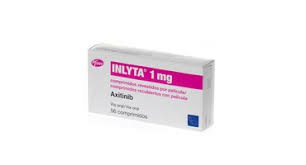
Axitinib/Axitinib (Axitinib), as a targeted therapy drug, is widely used to treat malignant tumors such as advanced renal cell carcinoma (RCC). It inhibits the activation of vascular endothelial growth factor receptor (VEGFR) and its downstream signaling pathways, reducing the blood supply to tumors, thereby inhibiting the growth and spread of tumors. However, like many targeted drugs, axitinib also has problems with drug interactions, and special attention needs to be paid when using it in combination with other drugs.
First of all, the metabolism of axitinib mainly depends on the cytochromeP450 (CYP) enzyme system in the liver, especially CYP3A4. Co-administration with CYP3A4 inhibitors or inducers may result in significant changes in the plasma concentration of axitinib, increase its side effects or reduce the therapeutic effect. Therefore, axitinib should not be used in combination with strong CYP3A4 inhibitors (such as ketoconazole, itraconazole, clarithromycin, dyclonine, etc.) as this may result in excessive axitinib concentrations and increase the risk of adverse reactions.
In addition, when axitinib is used in combination with strongCYP3A4 inducers (such as carbamazepine, phenobarbital, St. John's wort, etc.), the metabolism of axitinib will be accelerated, which may lead to a decrease in its efficacy. Therefore, patients taking axitinib should avoid concurrent use of these drugs, especially without medical guidance.
Caution is also required when using axitinib in combination with anticoagulants such as warfarin. Axitinib may increase the risk of bleeding, especially when used in combination with anticoagulants, and patients should have their coagulation function monitored regularly. The use of such drugs should be under the guidance of a physician, and the dosage should be adjusted based on clinical response.
In addition, some common drugs, such as diuretics, non-steroidal anti-inflammatory drugs (NSAIDs), etc., may have adverse reactions with axitinib or increase the burden on the kidneys. Therefore, when using axitinib, you should discuss all the drugs you are taking in detail with your doctor to avoid drug-drug interactions.
Reference materials:https://en.wikipedia.org/wiki/Axitinib
[ 免责声明 ] 本页面内容来自公开渠道(如FDA官网、Drugs官网、原研药厂官网等),仅供持有医疗专业资质的人员用于医学药学研究参考,不构成任何治疗建议或药品推荐。所涉药品可能未在中国大陆获批上市,不适用于中国境内销售和使用。如需治疗,请咨询正规医疗机构。本站不提供药品销售或代购服务。


