
.jpeg)
Latest data support axitinib/axitinib interruption and avelumab maintenance after remission in advanced renal cell carcinoma
The latest results from the phase 2 TIDE-A study (NCT04698213) published in 2025 further demonstrate the feasibility of continuing avelumab as maintenance and discontinuation of axitinib/axitinib in patients with metastatic renal cell carcinoma (RCC) who have responded to 2 drugs as first-line therapy in combination. The study results showed that at a median follow-up of 31.7 months, the median progression-free survival (PFS) of the overall population (n=75) was 27.9 months (95% CI, 23.0-32.8). The median overall survival (OS) was not reached (NR), and the 24-month OS rate was 85%.
Among patients who discontinued axitinib treatment at week 36 (n=29), the median PFS and OS were both NR; the 24-month PFS and OS rates were 58% and 82%, respectively. The median duration of initial avelumab maintenance was 16 weeks. This analysis with longer follow-up confirms the feasibility and high response rate of VEGFR-TKI discontinuation after VEGFR-TKI reintroduction in patients receiving avelumab maintenance therapy.
After axitinib treatment was discontinued, 5 patients continued to receive avelumab monotherapy without disease progression. One patient discontinued avelumab due to adverse reactions after 35.8 months of maintenance. Despite evidence of disease progression, 2 patients continued avelumab and 21 patients resumed axitinib. Among patients who restarted axitinib, the objective response rate (ORR) was 50%, with 10 patients having a partial response (PR), 8 patients having stable disease, and 2 patients having progressive disease. Median progression-free survival after reintroduction of axitinib was 17.2 months (95% CI, 11.9-22.5).
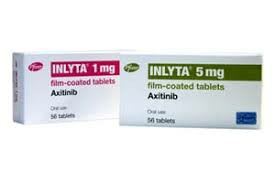
Avelumab aloneProgression during [avelumab] maintenance did not affect response to subsequent reintroduction of TKIs. This strategy deserves further investigation in randomized trials.
Trial enrollment criteria and design
TIDE-A enrolled patients with metastatic renal cell carcinoma who had measurable disease, an ECOG performance status of 0 or 1, no massive or symptomatic disease, and no liver metastases. Patients were excluded if they had received prior systemic therapy for advanced renal cell carcinoma; had received prior adjuvant or neoadjuvant therapy; had active seizures or evidence of active brain metastases, spinal cord compression, or cancerous meningitis; or had a history of other malignancies within the 2 years prior to enrollment, except for adequately treated nonmyxomatous skin cancers or carcinoma in situ.
All enrolled patients initially received combination therapy with avelumab800 mg every 2 weeks, plus axitinib 5 mg twice daily for 36 weeks. At week 36, patients underwent tumor assessment, and those who achieved a PR (defined as a reduction in tumor volume of at least 30% from baseline) discontinued axitinib and continued avelumab monotherapy at 800 mg every 2 weeks until disease progression.
If disease progression occurs during avelumab maintenance, i.e., an increase in tumor volume of at least 20% from the week 36 assessment, axitinib is reintroduced at the same dose and stopped again when the patient achieves a new PR. Patients with stable disease at week 36 continued combination therapy until disease progression. 1 Patients with disease progression at week 36 discontinued all treatment.
The primary endpoints of the trial are ORR at 8 weeks after discontinuation of axitinib and ORR after initiation of avelumab maintenance therapy after 36 weeks of combination therapy. 2 secondary endpoints include PFS, ORR during combination therapy, disease control rate, OS, safety and patient-reported outcomes.
Reference materials:https://www.onclive.com/view/updated-data-support-axitinib-interruption-and-avelumab-maintenance-after-response-in-advanced-rcc
[ 免责声明 ] 本页面内容来自公开渠道(如FDA官网、Drugs官网、原研药厂官网等),仅供持有医疗专业资质的人员用于医学药学研究参考,不构成任何治疗建议或药品推荐。所涉药品可能未在中国大陆获批上市,不适用于中国境内销售和使用。如需治疗,请咨询正规医疗机构。本站不提供药品销售或代购服务。


