
.jpeg)
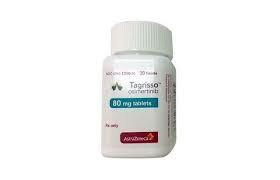
Osimertinib/Tagrisso combined with servotinib in the treatment of advanced non-small cell lung cancer with abnormal MET and EGFR mutations
Results from the phase 2 FLOWERS trial (NCT05163249) demonstrate the potential of Osimertinib/Tagresad in combination with Savolitinib as a first-line treatment option for patients with newly mutated advanced NSCLC. This study was conducted to provide more effective treatment options for treatment-naïve patients with EGFR-mutated non-small cell lung cancer carrying MET alterations to meet the challenges of this disease.
The trial was an open-label, randomized clinical study enrolling eligible patients. Participants were randomly divided into two groups: one group received treatment with osimertinib plus servotinib (n=21), while the other group received osimertinib alone (n=23). Such a design helps to compare the efficacy and safety of the two treatment options and provide scientific basis for subsequent clinical applications.
According to the study data, the combination treatment group showed a statistically significant improvement in objective response rate (ORR). By the data cutoff in May 2024, after a median follow-up of 8.2 months, the ORR in the combination treatment group reached 90.5% (95% CI, 69.6%-98.8%), while the ORR in the monotherapy group was 60.9% (95% CI, 38.5%-80.3%). This difference not only demonstrates the effectiveness of the combination in relieving tumors, but also suggests its importance in clinical treatment.
In addition to objective response rate, disease control rate (DCR) is also an important indicator to evaluate the effect of treatment. In this trial, the DCR in the combination arm was 95.2% (95% CI, 76.2%-99.9%), compared with 87.0% (95% CI, 66.4%-97.2%) in the monotherapy arm. These results further confirm the advantages of combination treatment regimens in controlling disease progression.
Although progression-free survival (PFS) data are not yet mature, preliminary data suggest that the combination regimen may have potential clinical benefit. Median PFS was 13.4 months (95% CI, 10.2-not evaluable [NE]) in the combination arm and 9.5 months (95% CI, 7.4-NE) in the arm alone. Notably, the hazard ratio (HR) was 0.80 (95% CI, 0.19-1.81), which means that the risk of disease progression in the combination treatment group was reduced, further supporting the clinical value of this regimen.
In terms of safety, the combined use of osimertinib plus sivotinib is consistent with the results of previous studies. All patients experienced varying degrees of treatment-related adverse reactions (TEAEs). In the combination group, the incidence of grade 3 or above adverse reactions was 71.4%, compared with 26.1% in the osimertinib alone group. This suggests that patients in the combination group may be at higher risk, but it should be emphasized that this risk is relative and needs to be carefully assessed in clinical practice.
In terms of dealing with adverse reactions, 23.8% of patients in the combination group experienced dose reduction due to TEAEs, and no patient died due to TEAEs. This phenomenon shows that when faced with adverse reactions, clinicians can optimize the patient's treatment plan by adjusting the dose to ensure that the patient can obtain the therapeutic effect while minimizing the impact of adverse reactions.
In summary,The results of the Phase 2 FLOWERS trial provide important clinical data support for the application of osimertinib combined with servotinib in patients with newly mutated advanced non-small cell lung cancer. This study not only demonstrates the significant advantages of combination therapy in improving objective response rates and disease control rates, but also reveals its potential clinical benefits and safety considerations. With in-depth research on this new treatment option, it is expected to bring new hope and better survival prognosis to more patients with advanced non-small cell lung cancer in the future.
Reference materials:https://www.onclive.com/view/dr-yang-on-osimertinib-plus-savolitinib-in-met-aberrant-egfr-mutant-advanced-nsclc
[ 免责声明 ] 本页面内容来自公开渠道(如FDA官网、Drugs官网、原研药厂官网等),仅供持有医疗专业资质的人员用于医学药学研究参考,不构成任何治疗建议或药品推荐。所涉药品可能未在中国大陆获批上市,不适用于中国境内销售和使用。如需治疗,请咨询正规医疗机构。本站不提供药品销售或代购服务。


