
.jpeg)
How does enzalutamide compare to abiraterone? What are their therapeutic differences?
Enzalutamide and abiraterone are both drugs used to treat prostate cancer, particularly in patients with metastatic castration-resistant prostate cancer (mCRPC). Although both drugs are androgen receptor pathway inhibitors, they have some differences in their mechanisms of action, methods of use, and therapeutic effects.
1. Differences in drug mechanisms
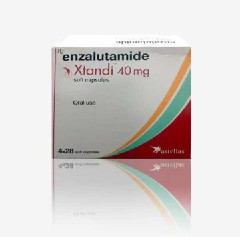
Enzalutamide is an androgen receptor antagonist, which mainly blocks the activation of androgen receptors by directly inhibiting the binding of the androgen receptor (AR) and its ligand (such as testosterone). Enzalutamide can also inhibit the transport of androgen receptors and prevent them from entering the nucleus, thereby further preventing the proliferation of tumor cells. In short, enzalutamide acts directly on the androgen receptor, blocking the activation effect of androgens on prostate cancer cells and reducing the growth and division of tumor cells.
Abiraterone is a drug that inhibits testosterone synthesis and is a steroid synthesis inhibitor. Abiraterone reduces the synthesis of testosterone by inhibiting the activity of CYP17 enzyme. This enzyme is a key enzyme for the synthesis of androgens in testicular, adrenal and prostate cancer cells. Inhibiting this enzyme can significantly reduce testosterone levels in the body, thereby reducing the stimulation of androgens to cancer cells.
2. Therapeutic effect and clinical application
Clinical studies have shown that enzalutamide and abiraterone both have significant efficacy in the treatment of metastatic castration-resistant prostate cancer, but their therapeutic effects are slightly different. Enzalutamide is more direct and potent in inhibiting androgen receptors, which gives it certain advantages in preventing prostate cancer cell proliferation and metastasis. Studies have shown that enzalutamide can significantly extend the progression-free survival (PFS) and overall survival (OS) of patients, and is still effective in some patients who are refractory to abiraterone treatment.
Abiraterone reduces androgen levels by inhibiting androgen synthesis and reducing stimulation of prostate cancer cells. Abiraterone is often used in combination with prednisone to mitigate possible side effects during treatment. Abiraterone is considered suitable for patients with higher hormone levels and has been shown to significantly extend survival in clinical applications, especially in prostate cancer patients with excessive adrenal or testosterone synthesis.
3. Comparison of side effects
Enzalutamide and abiraterone have certain differences in side effects. Common side effects of enzalutamide include fatigue, joint pain, headache, gastrointestinal discomfort (such as diarrhea), etc. Because enzalutamide acts directly on androgen receptors, it has a greater impact on the central nervous system, and patients may experience symptoms such as cognitive impairment or mood swings.
The side effects of abiraterone are mostly related to the use of steroids, such as hypokalemia, hypertension, edema, etc. Because abiraterone inhibits androgen synthesis, it can cause significant fluctuations in hormone levels, which may lead to some metabolic side effects. To reduce these side effects, abiraterone is often combined with prednisone, which can relieve problems such as edema and high blood pressure.
In summary, enzalutamide and abiraterone each have advantages and disadvantages in the treatment of metastatic castration-resistant prostate cancer. Enzalutamide blocks the androgen signaling pathway more precisely by directly inhibiting the action of androgen receptors, making it suitable for patients who are refractory to traditional treatments. Abiraterone works by reducing the synthesis of androgens and is suitable for prostate cancer patients with high hormone levels. Although both can significantly extend patients' survival, due to different side effects, patients need to make decisions based on their specific condition, drug tolerance, and doctor's recommendations when choosing a drug.
Reference materials:https://www.xtandi.com/
[ 免责声明 ] 本页面内容来自公开渠道(如FDA官网、Drugs官网、原研药厂官网等),仅供持有医疗专业资质的人员用于医学药学研究参考,不构成任何治疗建议或药品推荐。所涉药品可能未在中国大陆获批上市,不适用于中国境内销售和使用。如需治疗,请咨询正规医疗机构。本站不提供药品销售或代购服务。


