
.jpeg)
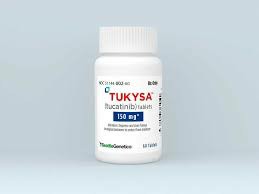
Tucatinib instruction manual analysis: indications, usage, dosage and precautions
Tucatinib is a targeted therapy drug used to treat breast cancer, especially for patients with HER2-positive breast cancer. It inhibits the proliferation of tumor cells by targeting and inhibiting the tyrosine kinase activity of the HER2 (human epidermal growth factor receptor 2) receptor. It is an oral tyrosine kinase inhibitor. Tucatinib is one of the new drugs currently used to treat HER2-positive breast cancer, and its efficacy and safety have been verified by multiple clinical trials. This article will analyze the instructions for tucatinib in detail to help patients understand the indications, usage and dosage of the drug, and matters needing attention when using it.
1. Indications
Tucatinib is approved for the treatment of HER2-positive breast cancer, especially in patients who have received multiple treatments and whose disease remains uncontrolled. Specific indications include:
It is suitable for patients with HER2-positive breast cancer, especially those who have experienced standard treatments such as trastuzumab (Herceptin) and pertuzumab (Perjeta).
Tucatinib is often used in combination with trastuzumab and capecitabine to treat patients with advanced or metastatic HER2-positive breast cancer who have received at least one prior line of therapy.
Tucatinib is suitable for the treatment of HER2-positive breast cancer patients with brain metastases, especially when standard treatments are ineffective. Tucatinib has shown a good effect in relieving brain metastases.
The efficacy of tucatinib has been fully verified in clinical studies, especially for advanced patients with HER2-positive breast cancer, whose survival and treatment effects have been significantly improved.
2. Usage and dosage
Tucatinib is taken orally, and the dosage is usually adjusted individually by doctors based on the patient's specific conditions. According to the recommended usage in the drug package insert, the conventional dosage of tucatinib is as follows:
Starting dose: Usually 300mg twice daily, recommended to be taken with food to ensure maximum absorption of the drug.
Combination medication: Tucatinib is often used in combination with trastuzumab (Herceptin) and capecitabine, and patients need to follow the doctor’s guidance for combined treatment.
Treatment course management: The medication cycle of tucatinib is usually continuous, and patients need to be reviewed regularly under the guidance of a doctor, especially liver function and blood routine.
Dosage adjustment: Depending on the patient's tolerance, the doctor may make dose adjustments based on the drug's side effects. If a patient experiences serious adverse reactions, doctors may reduce the dose or suspend treatment.
When using tucatinib, there are some things that need special attention to ensure the effectiveness of the drug and reduce side effects:
Liver function monitoring: Tucatinib may affect liver function, and liver function indicators need to be monitored regularly during use. Especially when starting treatment, patients should pay attention to changes in liver function and report to the doctor promptly if abnormalities occur.
Gastrointestinal reactions: Common side effects include diarrhea, nausea, vomiting and other gastrointestinal discomforts. Patients should use antidiarrheal drugs or take corresponding gastrointestinal protection measures according to the doctor's recommendations.
Drug interactions: Tucatinib may interact with certain drugs, especially drugs metabolized by the CYP3A4 enzyme. Patients should inform their doctors about all medications they are taking to avoid adverse reactions caused by drug interactions.
Cardiovascular monitoring: Although serious cardiovascular adverse reactions are uncommon with tucatinib, patients still need to pay attention to their heart health during treatment, especially if they experience heart-related symptoms, they should seek medical treatment in time.
Pregnancy and Lactation: Tucatinib may have adverse effects on the fetus and infant, so pregnant and breastfeeding women should avoid using tucatinib and use it only after evaluation by a physician.
4. Adverse reactions
Although tucatinib is an effective targeted drug, it may also cause some adverse reactions, which patients should understand and pay attention to. Common adverse reactions include:
Gastrointestinal discomfort: such as diarrhea, nausea, vomiting, loss of appetite, etc. Diarrhea in particular may affect the patient's quality of life.
Abnormal liver function: Tucatinib may cause an increase in liver function indicators, and patients need to check their liver function regularly while taking the drug.
Rash: Skin reactions such as rash and itching are also common side effects.
Fatigue: Some patients may experience extreme fatigue or weakness, which affects daily activities.
If serious side effects occur, patients should contact their doctor immediately, who may recommend reducing the dose or suspending treatment until the side effects are controlled.
To sum up, tucatinib is a targeted treatment drug for HER2-positive breast cancer. Patients need to strictly follow the doctor’s guidance during treatment and regularly monitor relevant indicators. Only by paying attention to usage and dosage and monitoring side effects can the best therapeutic effect be achieved.
Reference: https://www.tukysa.com/
1. Indications
Tucatinib is approved for the treatment of HER2-positive breast cancer, especially in patients who have received multiple treatments and whose disease remains uncontrolled. Specific indications include:
It is suitable for patients with HER2-positive breast cancer, especially those who have experienced standard treatments such as trastuzumab (Herceptin) and pertuzumab (Perjeta).
Tucatinib is often used in combination with trastuzumab and capecitabine to treat patients with advanced or metastatic HER2-positive breast cancer who have received at least one prior line of therapy.
Tucatinib is suitable for the treatment of HER2-positive breast cancer patients with brain metastases, especially when standard treatments are ineffective. Tucatinib has shown a good effect in relieving brain metastases.
The efficacy of tucatinib has been fully verified in clinical studies, especially for advanced patients with HER2-positive breast cancer, whose survival and treatment effects have been significantly improved.
2. Usage and dosage
Tucatinib is taken orally, and the dosage is usually adjusted individually by doctors based on the patient's specific conditions. According to the recommended usage in the drug package insert, the conventional dosage of tucatinib is as follows:
Starting dose: Usually 300mg twice daily, recommended to be taken with food to ensure maximum absorption of the drug.
Combination medication: Tucatinib is often used in combination with trastuzumab (Herceptin) and capecitabine, and patients need to follow the doctor’s guidance for combined treatment.
Treatment course management: The medication cycle of tucatinib is usually continuous, and patients need to be reviewed regularly under the guidance of a doctor, especially liver function and blood routine.
Dosage adjustment: Depending on the patient's tolerance, the doctor may make dose adjustments based on the drug's side effects. If a patient experiences serious adverse reactions, doctors may reduce the dose or suspend treatment.
Patients should strictly follow the doctor's instructions and are not allowed to increase or decrease the dosage on their own.
When using tucatinib, there are some things that need special attention to ensure the effectiveness of the drug and reduce side effects:
Liver function monitoring: Tucatinib may affect liver function, and liver function indicators need to be monitored regularly during use. Especially when starting treatment, patients should pay attention to changes in liver function and report to the doctor promptly if abnormalities occur.
Gastrointestinal reactions: Common side effects include diarrhea, nausea, vomiting and other gastrointestinal discomforts. Patients should use antidiarrheal drugs or take corresponding gastrointestinal protection measures according to the doctor's recommendations.
Drug interactions: Tucatinib may interact with certain drugs, especially drugs metabolized by the CYP3A4 enzyme. Patients should inform their doctors about all medications they are taking to avoid adverse reactions caused by drug interactions.
Cardiovascular monitoring: Although serious cardiovascular adverse reactions are uncommon with tucatinib, patients still need to pay attention to their heart health during treatment, especially if they experience heart-related symptoms, they should seek medical treatment in time.
Pregnancy and Lactation: Tucatinib may have adverse effects on the fetus and infant, so pregnant and breastfeeding women should avoid using tucatinib and use it only after evaluation by a physician.
4. Adverse reactions
Although tucatinib is an effective targeted drug, it may also cause some adverse reactions, which patients should understand and pay attention to. Common adverse reactions include:
Gastrointestinal discomfort: such as diarrhea, nausea, vomiting, loss of appetite, etc. Diarrhea in particular may affect the patient's quality of life.
Abnormal liver function: Tucatinib may cause an increase in liver function indicators, and patients need to check their liver function regularly while taking the drug.
Rash: Skin reactions such as rash and itching are also common side effects.
Fatigue: Some patients may experience extreme fatigue or weakness, which affects daily activities.
If serious side effects occur, patients should contact their doctor immediately, who may recommend reducing the dose or suspending treatment until the side effects are controlled.
To sum up, tucatinib is a targeted treatment drug for HER2-positive breast cancer. Patients need to strictly follow the doctor’s guidance during treatment and regularly monitor relevant indicators. Only by paying attention to usage and dosage and monitoring side effects can the best therapeutic effect be achieved.
Reference: https://www.tukysa.com/
[ 免责声明 ] 本页面内容来自公开渠道(如FDA官网、Drugs官网、原研药厂官网等),仅供持有医疗专业资质的人员用于医学药学研究参考,不构成任何治疗建议或药品推荐。所涉药品可能未在中国大陆获批上市,不适用于中国境内销售和使用。如需治疗,请咨询正规医疗机构。本站不提供药品销售或代购服务。


