
.jpeg)
Important information and correct usage guidance in the package insert for obeticholic acid
Obeticholic acid is a drug used to treat liver diseases, especially liver diseases caused by cholestasis such as primary biliary cholangitis (PBC) and cirrhosis. When using obeticholic acid, patients need to use the drug correctly according to the instructions in the drug package insert to ensure efficacy and reduce side effects. This article will detail the important information in the package insert for obeticholic acid and how to use the drug correctly according to the package insert.
1. Drug ingredients and indications
Obeeticholic acid is a synthetic bile acid derivative. Its main function is to improve bile flow, reduce cholestasis, and improve liver function by activating FXR (farnesolX receptor). It is especially suitable for the treatment of patients with primary biliary cholangitis (PBC). The drug is suitable for patients who are unable to use or tolerate other treatments. Obeticholic acid has also been studied for the treatment of other liver diseases caused by cholestasis, including non-alcoholic fatty liver disease (NAFLD) and cirrhosis.
2. Dosage and dosage
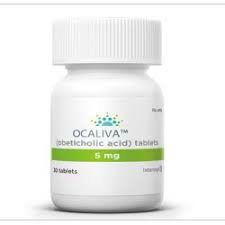
According to the package insert for obeticholic acid, obeticholic acid is usually taken orally. For most patients, the starting dose is usually 5 mg once daily. Doctors may gradually increase the dose based on patient tolerance, but typically the maximum dose is 10 mg once daily. Obeticholic acid should be taken with food to aid absorption of the drug. Patients should use the drug strictly in accordance with the doctor's prescription and the dosage guidance in the drug insert, and avoid increasing or decreasing the dosage on their own.
While using this drug, patients should pay attention to regular monitoring of liver function and bile acid levels, especially early in treatment. This is because obeticholic acid may affect certain biochemical indicators of the liver, so regular examinations are required to ensure the safety and effectiveness of the treatment. If the patient develops any symptoms of discomfort while using the drug, he or she should inform the doctor immediately to make necessary adjustments or discontinue the drug.
3. Precautions and Contraindications
Obeticholic acid has some contraindications and precautions when using it. Patients need to read the instructions carefully before using it. First, obeticholic acid is not suitable for patients who are allergic to components of the drug. Also, this drug should be avoided if patients have severe liver failure or other serious liver disease (such as hepatic failure).
In addition, the instructions also emphasize that when using obeticholic acid, patients may experience some common adverse reactions, such as diarrhea, nausea, fatigue, headache, etc. If these adverse reactions are severe or persistent, patients should consult their doctor promptly. For some special groups, such as pregnant or breastfeeding women, the use of obeticholic acid needs to be decided based on the advice of a doctor because the drug may have potential effects on the fetus or infant.
4. Drug interactions and adverse reactions
Obeticholic acid may interact with other drugs, so patients need to inform their doctors about all other drugs they are taking, especially immunosuppressive drugs, bile acid binders, antibiotics and other drugs. Some drugs may affect the absorption or metabolism of obeticholic acid, resulting in reduced drug efficacy or increased side effects.
Regarding adverse reactions, common ones include digestive system discomfort (such as diarrhea, nausea) and abnormal liver function, so liver function needs to be checked regularly during use. Long-term use of obeticholic acid may increase the risk of liver damage, so regular testing and monitoring are essential. If patients experience serious adverse reactions during use, such as persistent abdominal pain, jaundice or abnormal liver function test results, they should contact their doctor immediately and make corresponding adjustments or discontinue medication.
In short, when using obeticholic acid, patients must strictly follow the instructions in the drug instructions, follow the doctor's prescription, regularly check liver function, avoid unnecessary drug interactions, and pay attention to monitoring of adverse reactions. When used correctly, obeticholic acid can effectively relieve symptoms of liver disease caused by cholestasis and improve patients' quality of life.
Reference materials:https://en.wikipedia.org/wiki/Obeticholic_acid
[ 免责声明 ] 本页面内容来自公开渠道(如FDA官网、Drugs官网、原研药厂官网等),仅供持有医疗专业资质的人员用于医学药学研究参考,不构成任何治疗建议或药品推荐。所涉药品可能未在中国大陆获批上市,不适用于中国境内销售和使用。如需治疗,请咨询正规医疗机构。本站不提供药品销售或代购服务。


