
.jpeg)
What kind of medicine is Fezonatant? What kind of drug does it belong to, and what diseases is it mainly used to treat?
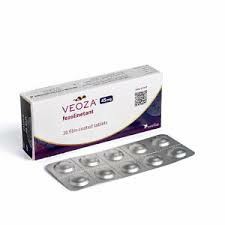
Fezolinetant is a new oral drug that is mainly used to treat menopausal symptoms in postmenopausal women, especially to relieve hot flashes (hot flashes) caused by fluctuations in estrogen levels. The drug provides a non-hormonal alternative treatment option through its unique mechanism of action. For those patients who are unable or unwilling to use hormonal therapy, filzonetant provides an effective treatment approach.
Drug Classification and Mechanism
Fezonatant is a non-hormonal drug. Specifically, it is a selective neurohormone receptor modulator (SERM). It binds to neurohormone receptors in the brain and regulates NK3 neurohormone receptors, thereby regulating the nerve conduction processes related to hot flashes. Hot flashes are often associated with an imbalance in the thermoregulatory center, and Zonatant effectively reduces hot flashes by inhibiting this process. Unlike traditional hormone replacement therapy (HRT), filazonatant does not rely on estrogen or progesterone, making it suitable for patients who cannot use hormone therapy for health reasons.
Indications
Fezonatant is mainly used to treat hot flashes in menopausal women. Hot flashes are one of the most common symptoms in postmenopausal women, often accompanied by heavy sweating, facial flushing, and a sudden feeling of heat. As women age, a sharp drop in estrogen levels can cause changes in the thermoregulatory center, triggering hot flashes. Although hot flashes are not a serious medical problem in themselves, they can significantly affect a woman's quality of life, leading to a range of problems including sleep disturbances, anxiety and even depression. Therefore, the use of filazonatant provides an effective treatment option for alleviating this symptom.
Efficacy and clinical research
The efficacy of fezonatan has been demonstrated in multiple clinical trials. Studies have shown that the frequency and intensity of hot flashes are significantly reduced in patients treated with felazonetant. Fezonatant is not only more effective in relieving hot flash symptoms but also has fewer side effects than traditional hormone therapy, making it especially suitable for patients who have medical conditions that preclude hormone therapy (such as breast cancer or cardiovascular disease). In addition, long-term use of fezonatant has shown good safety, and no serious adverse reactions have been found.
In a large phase III clinical trial, fezonatant showed significant effects compared to placebo, reducing the incidence of hot flashes by approximately 60%. Studies have also found that fezonatant has significant benefits in improving sleep quality, reducing anxiety, and improving overall quality of life. These findings make fezonatant a strong contender as an alternative hormone therapy, especially in patients who require non-hormonal therapies.
Precautions for use and side effects
Although fezonatant is considered safe, there are still some potential side effects. Common adverse reactions include headache, nausea, gastrointestinal discomfort, etc., which are usually mild and gradually reduce as treatment continues. Fezonatant has fewer side effects than hormone therapy and does not increase the risk of breast or endometrial cancer. However, for patients with liver disease, use of fezonastat needs to be done with caution and under the guidance of a physician.
Overall, fezonatant provides a safe and effective option for menopausal women looking for non-hormonal treatment options. It relieves hot flash symptoms and improves quality of life by regulating neurohormonal receptors, and is especially suitable for patients who are unable or unwilling to use hormone therapy.
Reference materials:https://www.veozah.com/
[ 免责声明 ] 本页面内容来自公开渠道(如FDA官网、Drugs官网、原研药厂官网等),仅供持有医疗专业资质的人员用于医学药学研究参考,不构成任何治疗建议或药品推荐。所涉药品可能未在中国大陆获批上市,不适用于中国境内销售和使用。如需治疗,请咨询正规医疗机构。本站不提供药品销售或代购服务。


