
.jpeg)
What are the indications for Fezonatant? What diseases or conditions is it used to treat?
Fezolinetant (Fezolinetant) is a new type of oral drug, mainly used as a non-hormonal treatment drug to relieve menopausal symptoms in perimenopausal women. Its mechanism of action is to help regulate the thermoregulatory center by selectively inhibiting neuropeptide Y (NPY) receptors, thereby alleviating hot flashes (hot flashes) caused by fluctuations in hormone levels. This mechanism is different from traditional hormone replacement therapy (HRT). Fezonastat does not rely on hormonal intervention, so it is suitable for women with contraindications or intolerance to hormone therapy.
Fezonatant is currently approved for the treatment of hot flashes in menopausal women. Menopause is a natural stage in a woman’s life cycle, usually occurring between the ages of 45 and 55. It is accompanied by declining ovarian function and fluctuations in hormone levels. Common symptoms include hot flashes, night sweats, mood swings, and sleep disorders. For some women, hot flashes are one of the most bothersome symptoms, and Fezonatan can effectively relieve this symptom and improve quality of life.
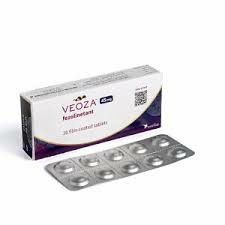
As a non-hormonal drug, filazonatant reduces the occurrence of hot flashes by inhibiting neuropeptide Y (NPY) receptors. Unlike traditional hormone therapy, Fezonatant does not affect hormone levels in the body, making it a safer alternative for women who cannot take hormone therapy (such as those with a history of breast cancer, high blood pressure, or blood clots). In addition, the pharmacological effects of filzonitant also make it less side effects during treatment, making it more attractive than hormonal therapy.
In clinical studies, fezonatant has shown strong efficacy and good tolerability. The results of the study showed that filzonitant significantly reduced the frequency and severity of hot flashes with fewer side effects and higher overall patient satisfaction. At present, fezonatant has been approved in many countries and regions for the treatment of menopausal-related symptoms, especially in patients with contraindications or intolerance to hormone therapy, and its prospects are widely optimistic. In the future, with the accumulation of more research and clinical data, fezonatant may become one of the important drug options for the treatment of menopausal women.
Reference materials:https://www.veozah.com/
[ 免责声明 ] 本页面内容来自公开渠道(如FDA官网、Drugs官网、原研药厂官网等),仅供持有医疗专业资质的人员用于医学药学研究参考,不构成任何治疗建议或药品推荐。所涉药品可能未在中国大陆获批上市,不适用于中国境内销售和使用。如需治疗,请咨询正规医疗机构。本站不提供药品销售或代购服务。


