
.jpeg)
What key information is included in the package insert for fostatinib? How to use this medicine correctly?
Fostamatinib is an oral tyrosine kinase inhibitor (TKI). Its active metabolite is R406, which can specifically inhibit spleen tyrosine kinase (SYK). SYK plays an important role in the immune system, and its overactivation may lead to immune-mediated platelet destruction. Fostatinib has been approved by the FDA for the treatment of chronic immune thrombocytopenia (ITP) in adult patients who have failed to respond to first-line treatments such as glucocorticoids or immunoglobulins. In addition, the drug is also undergoing clinical research in immune-related diseases such as rheumatoid arthritis and nephrotic syndrome.
The recommended starting dose is100mg taken orally twice daily. Based on the patient's platelet count and tolerance, the physician may adjust the dose to 150 mg twice daily. If the patient fails to obtain sufficient efficacy within four weeks, a dose increase may be considered, but the maximum dose shall not exceed 150mg twice daily. Fostatinib tablets should be swallowed whole, with or without food. If you miss a dose, you should take it as soon as possible. However, if it is close to the next dose time, you should skip the missed dose and do not take it twice.
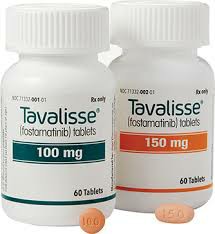
Common adverse reactions include hypertension, diarrhea, elevated liver enzymes, neutropenia, etc. Patients should regularly monitor blood pressure, liver function, and blood routine during treatment so that the medication regimen can be adjusted in a timely manner. For patients with hypertension or liver disease, use with caution and increased monitoring during treatment. If serious adverse reactions occur, such as persistent high blood pressure or serious infection, the dose may need to be reduced or treatment suspended. In addition, fostatinib may affect fetal development. Pregnant women and women preparing for pregnancy should avoid its use and take effective contraceptive measures.
Fostatinib is mainly metabolized by CYP3A4. Combination with CYP3A4 strong inhibitors (such as ketoconazole) or strong inducers (such as rifampicin) may affect the drug concentration, so attention should be paid to interactions when using it. In addition, patients with impaired renal or hepatic function should adjust their dosage under the guidance of a physician. Elderly patients may be more sensitive to drugs and need to pay special attention to the occurrence of adverse reactions. While patients are taking fostatinib, they should be followed up regularly to ensure the safety and effectiveness of the treatment, and the dose should be adjusted based on platelet count to optimize the therapeutic effect.
Reference materials:https://www.tavalisse.com/
[ 免责声明 ] 本页面内容来自公开渠道(如FDA官网、Drugs官网、原研药厂官网等),仅供持有医疗专业资质的人员用于医学药学研究参考,不构成任何治疗建议或药品推荐。所涉药品可能未在中国大陆获批上市,不适用于中国境内销售和使用。如需治疗,请咨询正规医疗机构。本站不提供药品销售或代购服务。


